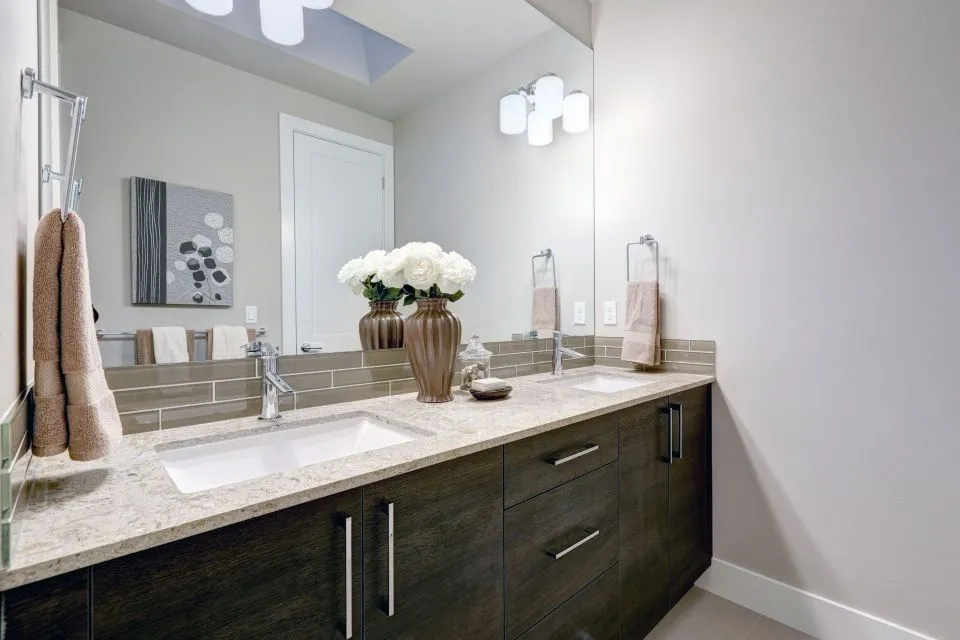
Dekton Countertops: Are They Worth the Investment?
A countertop affects how a kitchen or bathroom looks, functions, and holds up over time. For homeowners comparing quartz, granite, porcelain, and other premium surfaces, Dekton stands out as a modern option with exceptional resistance to heat, stains, scratches, moisture, and sunlight.
Dekton is an ultra-compact surface made by applying intense pressure and heat to a blend of natural minerals. The result is a dense, nonporous slab that can reproduce the appearance of stone, concrete, marble, metal, or other design styles. It is suitable for indoor and outdoor applications, including countertops, shower walls, fireplace surrounds, outdoor kitchens, and furniture surfaces.
The material carries a higher initial price than many traditional countertop options, so the important question is whether its performance justifies the investment. The answer depends on your budget, design priorities, household habits, and expectations for installation and long-term care.
What makes Dekton different
Dekton is often grouped with porcelain countertops and other sintered surfaces, but its manufacturing process gives it a distinct combination of density and durability. A carefully selected mineral blend is compacted and heated until the material develops a hard, stone-like structure. Because the finished slab is nonporous, liquids have little opportunity to penetrate the surface.
This composition supports a wide range of colors and patterns. Homeowners can choose a subtle matte concrete look, a dramatic marble-inspired design, a warm natural stone appearance, or a dark contemporary finish. Large slab formats can reduce the number of seams across an island or long run of cabinetry, creating a clean visual effect.
Dekton also performs well in spaces exposed to changing temperatures and sunlight. Some countertop materials can discolor near bright windows or outdoors, while Dekton is designed to maintain its appearance under ultraviolet exposure. That makes it useful for covered patios, pool areas, exterior bars, and outdoor kitchens as well as interior remodeling projects.
Everyday performance and maintenance
Heat resistance is one of Dekton’s strongest advantages. Hot cookware, baking dishes, and pans can generally be placed on the surface without causing the type of scorching or discoloration associated with some laminate or wood countertops. Basic caution is still sensible, especially around edges, seams, and cabinetry, but the material is well suited to active kitchens.
The dense surface also resists common household stains. Coffee, wine, cooking oils, tomato sauce, and other spills are less likely to leave permanent marks when cleaned promptly. Routine care usually involves a soft cloth, warm water, and a mild cleaner. Harsh chemicals, abrasive pads, and unnecessary scrubbing should be avoided because they can affect the finish or leave residue.
Dekton is highly scratch resistant, but no countertop should be treated as indestructible. Cutting directly on the surface can dull knives and may create damage under unusual force. Heavy objects dropped on corners or thin overhangs can cause chips, particularly when the slab has been cut for a sink, cooktop, or outlet. Good fabrication and thoughtful use remain important.
For bathrooms, Dekton offers protection against moisture and daily humidity. It can be used for vanity tops, shower walls, tub surrounds, and other wet-area applications. The absence of regular sealing is especially attractive for homeowners who want a low-maintenance bathroom surface.
Design flexibility for kitchens and bathrooms
A Dekton kitchen countertop can support both minimalist and traditional designs. Neutral shades work with painted cabinets and natural wood, while bold veining can become the focal point of a large island. Since the material is available in different thicknesses and edge profiles, the finished look can range from slim and modern to substantial and architectural.
Its large-format capabilities are valuable for waterfall islands and extended worktops. Fewer seams can make an island look more continuous and may simplify cleaning. The fabrication plan still needs to account for cabinet support, appliance openings, sink cutouts, and the weight of the slab. A professional template helps ensure that the design is attractive and structurally sound.
Bathrooms offer additional opportunities. Matching Dekton across a vanity, backsplash, shower wall, and niche can create a coordinated appearance. The same material may also be used for a quartz shower pan alternative, bench top, or tub deck, depending on the project’s dimensions and installation details. Large panels can produce a more streamlined shower design than multiple rows of tile and grout.
The material’s versatility extends beyond standard countertops. Fabricators can use it for fireplace surrounds, mantels, dining or side tables, shelving, and outdoor kitchen components. These applications allow a homeowner to carry one finish throughout several areas of a remodel without relying on identical uses in every room.
Cost, value, and long-term ownership
Dekton generally falls within the premium countertop category. The final price depends on slab selection, color, thickness, edge treatment, backsplash requirements, cutouts, sink installation, access to the home, and the complexity of the project. A straightforward vanity may cost far less than a large kitchen with a waterfall island and multiple seams.
Material price is only one part of the investment. Dekton requires experienced handling and specialized fabrication because the slab is dense and can be sensitive at corners and cutouts. A lower quote may not represent the same level of templating, edge finishing, support planning, or installation care. Comparing complete project proposals is more useful than comparing a material-only figure.
Long-term value comes from durability and reduced upkeep. Dekton does not usually require periodic sealing, and its resistance to heat, stains, sunlight, and moisture can help it retain a finished appearance through years of regular use. These benefits may offset part of the initial premium for homeowners planning to stay in the property for a long time.
Resale value is harder to calculate. Buyers may appreciate a high-performance surface, but a countertop alone rarely recovers its entire cost. Dekton makes the most financial sense when its appearance fits the home, its performance solves a real household need, and the installation is completed correctly.
How Dekton compares with other surfaces
Quartz remains a popular alternative because it offers consistent patterns, strong stain resistance, and a broad range of price points. Granite provides natural variation, excellent heat performance, and a substantial stone appearance, though many granite surfaces benefit from periodic sealing. The choice between the two can depend on style, maintenance preferences, and the specific room, as explained in this comparison of granite and quartz.
Porcelain can offer similar resistance to heat, scratches, moisture, and ultraviolet light, often at a competitive premium price. Marble brings unmatched natural veining but is more vulnerable to etching and staining. Soapstone has a soft, distinctive look and strong heat resistance, while butcher block adds warmth and can be repaired or refinished but requires more ongoing care.
Dekton’s advantages are strongest when a homeowner wants a highly durable, low-maintenance surface with indoor-outdoor flexibility. Its disadvantages become more significant when the budget is tight, the design includes difficult cutouts, or the household prefers a surface that can be easily sanded and repaired, such as wood.
| Surface | Main strengths | Maintenance | Common considerations |
|---|---|---|---|
| Dekton | Heat, stain, scratch, moisture, and UV resistance | Usually simple cleaning; no routine sealing | Premium cost; skilled fabrication is important |
| Quartz | Consistent designs and strong stain resistance | Simple daily cleaning; no routine sealing | Can be affected by extreme heat |
| Granite | Natural variation and strong heat performance | Periodic sealing may be needed | Patterns and color vary from slab to slab |
| Porcelain | Lightweight visual styles and excellent heat resistance | Low maintenance | Edges and cutouts require careful handling |
| Marble | Distinctive veining and classic appearance | More frequent care and prompt spill cleanup | Can etch, stain, and scratch more easily |
| Butcher block | Warm appearance and repairable surface | Regular oiling and maintenance | Vulnerable to moisture, cuts, and heat |
Installation details that affect the result
A durable slab can still produce a disappointing result if the installation is rushed. Cabinets should be checked for level and stability, and the layout should account for seams, overhangs, appliance clearances, wall irregularities, and the direction of veining. Sink and cooktop cutouts deserve special attention because these areas can become vulnerable if the support or edge design is inadequate.
Professional measurement and templating reduce the risk of ordering errors. The installation team also needs to plan for transportation and access. Dekton slabs are heavy and may be difficult to maneuver through narrow doors, stairways, or tight corners. Proper equipment and sufficient labor protect both the material and the home.
Homeowners can make the process easier by reviewing how to prepare for installation day before the crew arrives. Clearing the work area, removing items from cabinets, arranging for pets and children to stay away, and confirming plumbing or appliance requirements can help keep the project on schedule.
Ask the fabricator how seams will be positioned, which edge profiles are available, how overhangs will be supported, and whether the selected slab is appropriate for the intended application. A detailed conversation before fabrication can prevent surprises and help align the design with the material’s technical requirements.
When Dekton is a smart choice
Dekton is a strong candidate for busy kitchens where heat, spills, and frequent cleaning are part of everyday life. It is also appealing for homeowners who want a countertop that works across several spaces, including an indoor kitchen connected to an outdoor entertaining area. Its low-maintenance surface is valuable for households that prefer to spend less time sealing, oiling, or managing delicate finishes.
The material can be especially worthwhile in a long-term renovation. If you plan to remain in the home for many years, daily performance and lasting appearance may matter more than the initial price difference. A well-designed Dekton island, vanity, or shower installation can serve as a durable architectural feature rather than a short-term upgrade.
It may be less suitable for a renovation driven primarily by the lowest upfront cost. Homeowners who want a surface with a softer, naturally imperfect character may prefer soapstone, marble, or butcher block. Those who want easy spot repairs may also favor wood or a material that can be refinished more readily.
The best decision starts with a sample review and a complete project estimate. Look at the surface under your home’s lighting, compare it with cabinet and flooring samples, and consider how the finish will work with sinks, backsplashes, hardware, and appliances. A consultation with a local fabricator can clarify whether the slab, edge, and layout fit your room.
Practical steps before selecting a slab
A thoughtful selection process helps balance appearance, performance, and cost:
- Compare Dekton with quartz, granite, porcelain, marble, and butcher block based on the room’s actual demands.
- Request a full estimate that includes measurement, templating, fabrication, edge work, cutouts, delivery, installation, and related plumbing coordination.
- Examine full-size samples or slabs to understand veining, color variation, finish, and seam placement.
- Confirm cabinet support, overhang requirements, sink compatibility, and the best locations for seams before approving fabrication.
- Choose an experienced installer familiar with large-format and ultra-compact surfaces.
Dekton is worth the investment when its performance solves a real need and the design will remain appealing for years. It offers impressive durability, easy care, strong visual flexibility, and applications that extend well beyond a standard kitchen worktop. Its premium cost and specialized installation mean it should be selected deliberately rather than simply because it is a high-end material.
The Countertop Store serves North Little Rock, Arkansas, and surrounding communities with countertop consultation, measurements, templating, fabrication, edging, and installation. Contact the team to review Dekton colors and finishes, compare materials, and develop a custom surface plan for your kitchen, bathroom, shower, fireplace, or outdoor living space.