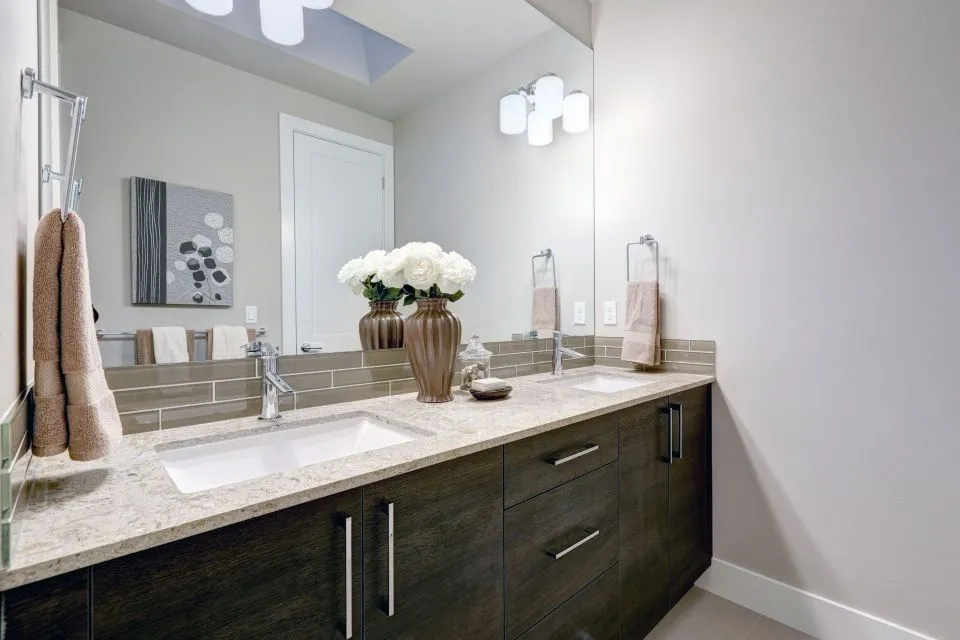
How to clean and seal your natural stone countertops
Natural stone countertops bring depth, variation, and a lasting sense of quality to kitchens, bathrooms, outdoor cooking areas, and custom furniture. Granite, marble, soapstone, and other stones each have different levels of porosity and hardness, so the best care routine depends on the material and its finish.
Cleaning usually requires less effort than homeowners expect. The key is to remove spills promptly, use a mild product, avoid abrasive tools, and understand when a penetrating sealer is appropriate. With consistent care, a stone surface can retain its color, finish, and practical performance for many years.
A professional fabricator can also explain the stone’s specific maintenance needs before installation. The Countertop Store serves North Little Rock, Arkansas, and surrounding communities with measuring, templating, fabrication, edging, installation, and custom surfaces for kitchens, bathrooms, fireplaces, outdoor kitchens, and more.
Identify the stone and its finish
Before choosing a cleaner or sealer, confirm what material is installed. Granite is generally hard and resistant to everyday wear, while marble is more vulnerable to etching from acidic liquids such as lemon juice, vinegar, wine, and tomato-based products. Soapstone is naturally nonporous and often develops a soft patina, while limestone and some other calcareous stones may need more attentive protection.
The finish also affects maintenance. A polished surface has a reflective appearance and a relatively smooth texture. Honed stone has a low-sheen, matte look that can show marks differently. Leathered or brushed finishes have texture that may hold crumbs, grease, or residue in small variations. Ask your countertop professional whether the slab has a factory-applied treatment and which products are compatible with it.
Natural stone is one option among several remodeling surfaces. Homeowners comparing maintenance requirements may also benefit from reading about porcelain for busy families, especially when evaluating heat resistance, stain resistance, and care preferences alongside the character of quarried stone.
Use gentle daily cleaning methods
For routine cleaning, use a soft microfiber cloth or nonabrasive sponge with warm water and a small amount of pH-neutral dish soap. Wipe the surface in manageable sections, then rinse away soapy residue and dry it with a clean cloth. Drying helps prevent water spots, especially on dark polished granite and around faucets.
A daily wipe is especially useful around sinks, cooktops, beverage stations, and food preparation areas. Crumbs and grit can act as mild abrasives when dragged across the counter, so brush them away rather than pushing them with a dry towel. Use cutting boards, trivets, and coasters to reduce contact with sharp utensils, hot cookware, and rings left by bottles or glasses.
Avoid treating natural stone like a glass or laminate surface. Window cleaner, bleach, oven cleaner, ammonia, abrasive powders, and strongly acidic solutions can dull the finish or weaken a protective treatment. Even when a product appears to clean effectively, repeated use may leave a film or create subtle surface damage that becomes more visible over time.
Choose products that respect the surface
Stone-safe cleaners are designed to maintain a neutral pH and avoid ingredients that can react with minerals. Read the label carefully, because “natural,” “disinfecting,” or “heavy-duty” does not automatically mean a product is safe for marble, limestone, or other sensitive surfaces. If disinfecting is necessary, verify that the product is approved for the specific stone and follow its dilution and dwell-time instructions.
Never use rough scrub pads, steel wool, powdered cleansers, or abrasive cream products on a finished countertop. These materials can create fine scratches, remove polish, and make the surface more likely to hold residue. A soft nylon brush can be useful for textured finishes, but test it first in an inconspicuous spot.
Hard-water deposits may require special attention around sinks and backsplashes. Do not reach immediately for vinegar or a citrus-based cleaner, particularly on marble or other calcium-based stones. Instead, use a stone-safe limescale product or contact a stone-care professional for a suitable method. A product that is safe for granite may still be unsuitable for marble.
Understand what sealing does
A natural stone sealer reduces absorption; it does not create an indestructible shield. Penetrating sealers soak into the stone and help slow the movement of oil, water, coffee, and other liquids through the surface. They usually do not change the appearance dramatically, although some enhancing products can deepen color. Topical coatings sit on the surface and may alter sheen, texture, or slip resistance, so they should be selected carefully.
Many granite countertops need sealing less often than porous marble, limestone, or some quartzite varieties. However, the correct schedule depends on the slab, finish, installation environment, and sealer used. A busy kitchen with frequent cooking may need more monitoring than a lightly used bathroom vanity. Sealing too frequently can leave haze or buildup, so follow the manufacturer’s instructions rather than applying a product on a fixed schedule without testing.
A simple absorption test can provide a rough indication of whether a surface needs attention. Place a few drops of water on a clean, inconspicuous area and observe them for several minutes. If the stone darkens quickly, it may be absorbing moisture and could benefit from professional evaluation or resealing. This test is not definitive, particularly on treated or textured surfaces, so use it as a guide rather than a guarantee.
| Surface condition | Recommended response | Avoid |
|---|---|---|
| Fresh food or drink spill | Blot promptly, clean with pH-neutral soap, and dry | Rubbing the spill outward |
| Dull area on polished stone | Check for etching, residue, or abrasion | Applying wax or polish without diagnosis |
| Water absorbed into stone | Test a small area and assess the sealer | Assuming every dark mark is a stain |
| Grease near a cooktop | Use a stone-safe degreaser and rinse thoroughly | Strong alkaline or solvent products |
| Dried mineral deposits | Use an approved stone-care treatment | Vinegar, lemon juice, or scraping with metal |
| Small surface scratch | Ask a professional to identify its depth | Sanding or polishing without experience |
Apply sealer with care
If you plan to seal the countertop yourself, begin by cleaning it thoroughly and allowing it to dry completely. Residual moisture, grease, dust, or soap can interfere with absorption and leave an uneven appearance. Protect nearby cabinets, appliances, flooring, and backsplash materials from drips before beginning.
Apply the product in small sections according to the label directions. Keep the surface evenly wet for the required time, then remove all excess sealer before it dries. Leaving sealer on top of the stone can produce streaks, cloudiness, or a sticky film. Good ventilation is important, and gloves should be worn when recommended by the manufacturer.
Always perform a test application in a hidden area. Look for changes in color, sheen, texture, and drying behavior before treating the entire countertop. Some stones have resin-filled areas, veins, fissures, or unusual porosity that respond differently from the rest of the slab. Professional installation teams can identify these conditions and recommend an appropriate product or service.
Deal with stains and etching correctly
A stain occurs when a substance penetrates the stone and creates discoloration. An etch is a chemical reaction that removes or dulls the finish, often leaving a pale mark on marble after contact with acidic food or cleaning products. These problems can look similar, but sealing will not restore an etched polish, and ordinary cleaning will not always remove a deep stain.
Blot spills instead of wiping them across a larger area. For oil-based marks, a stone-safe degreaser may help. Organic stains from coffee, tea, fruit, or food sometimes respond to a manufacturer-approved poultice. Follow the product directions closely and allow adequate time for the treatment to work. Do not combine cleaners, and never mix bleach with ammonia or other household chemicals.
Rust, ink, paint, and hard-water stains can require specialized treatment. Scraping with a razor, applying hydrogen peroxide without guidance, or using bathroom descaler may permanently alter the surface. If discoloration remains after gentle cleaning, take a clear photograph and contact a stone-care professional or your fabricator before trying stronger methods.
Create a practical care routine
A manageable routine protects the surface without turning countertop maintenance into a daily project. Wipe preparation areas after cooking, dry standing water around sinks, and clean spills as soon as they occur. Once a week, inspect edges, seams, backsplash joints, and areas beneath small appliances where moisture or grease can collect.
Use cutting boards for food preparation and trivets beneath hot pans, slow cookers, and air fryers. Although many stones tolerate substantial heat, sudden temperature changes can stress the material, and direct heat may affect resins, sealers, or nearby seams. Lift ceramic containers and small appliances instead of dragging them over the surface.
If you are selecting a new slab, discuss care expectations with the fabricator before making a decision. The Countertop Store works with quartz, granite, porcelain, marble, Dekton, soapstone, and butcher block, and its material vendors can help support informed choices about appearance, performance, and long-term maintenance.
Keep these maintenance priorities in view
- Blot spills quickly, especially wine, coffee, cooking oil, citrus juice, and tomato-based foods.
- Clean with warm water, mild dish soap, and a soft microfiber cloth unless the stone-care product specifies another method.
- Test any cleaner or sealer in a hidden area before applying it across the full countertop.
- Use boards, trivets, coasters, and protective pads to limit scratches, heat exposure, and moisture rings.
- Arrange professional help when stains, etching, scratches, haze, or recurring absorption do not respond to gentle care.
A professional assessment is worthwhile when a countertop has persistent dark patches, widespread dullness, open seams, or a sealer that has become cloudy. Restoration may involve honing, polishing, stain removal, seam repair, or resealing rather than replacing the entire surface. Early attention can preserve the slab and prevent a small maintenance issue from becoming a larger remodeling expense.
For a new kitchen, bathroom, shower wall, fireplace, outdoor kitchen, or custom furniture piece, material selection and installation quality matter as much as the cleaning routine. Contact The Countertop Store in North Little Rock to discuss your stone, review suitable care options, and plan a professionally measured and fabricated surface that fits your space.