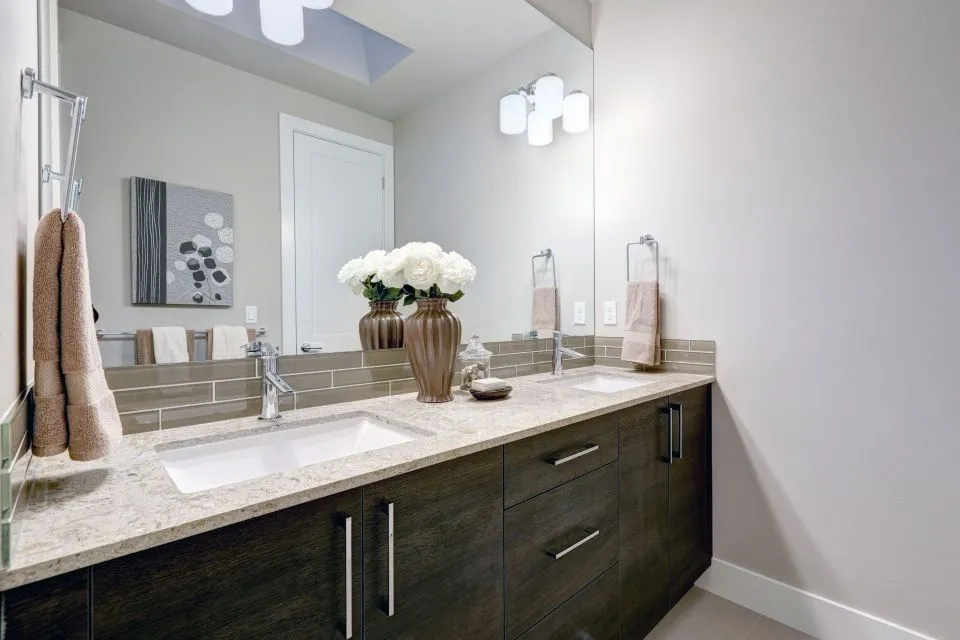
Creating a Vintage Look with a Distressed Soapstone Countertop
Homes from the Victorian and Federation eras scattered around Adelaide, Melbourne, and Sydney's inner suburbs often come with original timber joinery, pressed metal ceilings, and fireplaces that deserve a benchtop surface which feels like it has always been there. Soapstone, with its soft grey-blue undertones and naturally occurring veining, has been a quiet favourite among heritage restorers for decades. When deliberately aged and worked into a kitchen or bathroom, it delivers a worn-in elegance that manufactured surfaces struggle to imitate.
Distressing the stone is less about damage and more about coaxing out the character already hidden within it. Soapstone is a metamorphic rock made primarily of talc, which makes it softer and easier to manipulate than granite or engineered quartz. That softness, often seen as a drawback in modern showroom displays, becomes the very quality that allows the material to accept intentional wear, soft edges, and a patina that deepens with every meal prepared on it.
Australians renovating heritage cottages in places like Paddington, Fitzroy, or Norwood tend to favour materials that age gracefully rather than remain locked in a factory finish. A weathered soapstone benchtop sits comfortably next to a claw-foot bath, an AGA-style cooker, or a recycled timber island. It absorbs the warmth of the room, holds up to daily life, and tells a story that begins the day it is installed and continues for decades.
Before committing to the look, it helps to understand how the stone is sourced, how it behaves in Australian conditions, and what kind of maintenance it asks for. The following sections walk through the practical choices that turn a raw slab into a centrepiece with genuine vintage soul.
Why soapstone suits a heritage kitchen
Soapstone has been quarried for centuries, used in everything from woodstoves to laboratory benches because of its heat resistance and chemical inertness. Those same properties make it a forgiving choice in a busy household. Hot pots can be set directly on the surface without leaving scorch marks, and acidic spills like lemon juice or vinegar will not etch the stone the way they would marble.
In heritage homes from Launceston to Brisbane's inner west, kitchens are often compact and tightly planned, which means every surface needs to work harder. Soapstone's dense composition resists staining better than many people realise, especially once it has been oiled. The patina that develops over time actually helps mask small scratches and gives the benchtop a soft, lived-in glow rather than the polished sterility of newer engineered stones.
The colour palette of soapstone ranges from pale ash through charcoal to nearly black, often with broad white or cream veining that moves across the slab like brushstrokes. This natural variation is what gives the surface its old-world character. No two pieces are alike, which suits homeowners who want a kitchen that feels curated rather than catalogue-driven.
Another quiet advantage is that soapstone does not require sealing in the way granite or marble does. Periodic oiling with a food-safe mineral oil is enough to keep the surface looking rich and to encourage the darkening patina that signals a well-loved vintage kitchen.
Selecting the right slab for an aged finish
Not every soapstone slab will deliver the same vintage result. Brazilian soapstone tends to be harder and lighter in colour, while material sourced from Vermont or India often arrives with deeper greys and more pronounced veining. For a heritage project, many Australian restorers lean toward the Indian or American varieties because the veining reads more like the marble found in older European estates.
When visiting a slab yard, bring samples of your cabinetry, splashback tiles, and flooring. Hold them against different sections of the stone in the same light conditions your kitchen will have. North-facing rooms in Adelaide can flood with bright, cool light, while inner-Melbourne terraces often rely on layered artificial lighting. Soapstone shifts mood beautifully under both, but choosing the right slab in the right light avoids surprises at installation.
Look closely at the edges and underside of the slab as well. The natural cleft and minor fissures that some buyers try to avoid are actually useful when the goal is a distressed look. A slab with slight mineral inclusions, occasional hairline cracks, or subtle colour shifts will distress more convincingly and will hide future wear more gracefully than a perfectly uniform piece.
Thickness matters too. A 30mm slab reads as substantial and traditional, while a 20mm slab feels lighter and more contemporary. For a vintage aesthetic, thicker is generally more authentic, especially when paired with a deep, eased edge profile.
Preparing the cabinets and the room
A distressed surface looks out of place if it sits on cabinetry that looks like it left the factory yesterday. Before the templating visit, take the time to address the cabinets themselves. Replace modern plastic pulls with unlacquered brass or hand-forged iron. Swap out bright white melamine doors for timber veneer, shaker-style fronts, or even second-hand joinery sourced from architectural salvage yards in Sydney or Melbourne.
Lighting plays a surprisingly large role in how vintage a kitchen feels. Layer task lights under wall cabinets with warm pendants over the island or peninsula. Avoid cool blue LEDs entirely. Soapstone's grey-blue undertones are flattered by warm 2700K bulbs that mimic the incandescent lighting of a century ago.
Plumbing fixtures should follow suit. A gooseneck bridge tap in aged copper or unlacquered brass will complement the stone far better than a sleek chrome mixer. The goal is to create an environment where the benchtop feels like the natural centrepiece, not a statement piece fighting for attention against contemporary fittings.
Finally, consider the splashback. Aged soapstone pairs beautifully with handmade zellige tiles, pressed metal panels, or even a matching slab of stone continued up the wall. Avoid glass splashbacks and large-format porcelain tiles, as their crispness undermines the softness of the surface above.
Distressing techniques that look authentic
Distressing soapstone is a slow, considered process rather than a weekend project. The aim is to mimic decades of honest wear rather than to vandalise a new slab. Start with the edges: use a router with a rounded-over bit or hand-held diamond pads to soften every corner and arris. Sharp 90-degree edges immediately betray a modern fabrication.
For the surface itself, controlled hammering with a rawhide mallet or the back of a chisel can create subtle pits and undulations. Work lightly and step back often. The mistake most homeowners make is over-hammering, which leaves the surface looking crushed rather than worn. Think of the gentle dimpling found on an old farmhouse sink or a centuries-old stone step.
Wire brushing is another effective technique. Running a stiff brass or stainless brush across the surface after light hammering opens up the softer talc content and creates a micro-texture that catches light beautifully. Follow this with a finer nylon brush to smooth away any sharp peaks without losing the depth.
If you want to introduce darker accents into the recesses, rub a paste of blackening wax or a thinned oil-based stain into the pits, then buff the high points back to a soft sheen. This is the same technique used on antique hardware and leather-bound books to create the illusion of age.
Edging profiles and detail work
The edge profile is where a fabricator can either support or sabotage the vintage story. The safest choices are the full bullnose, the demi-bullnose, the eased edge with a slight radius, or the stepped ogee. These profiles echo stonework found in Georgian, Victorian, and early Federation homes and avoid the sharp, machine-cut lines of contemporary design.
For something more bespoke, consider a hand-chiselled edge where the fabricator lightly shapes the perimeter with a point chisel. Done well, this produces an irregular, hand-worked silhouette that looks as though it has been shaped over generations. It is labour-intensive and costs more, but for a true heritage restoration it is hard to beat.
Integrated soapstone sinks are another detail worth considering. A single slab carved into a deep, apron-front farmhouse sink reads as completely period-appropriate and removes the visual interruption of a stainless or porcelain basin. The same applies to soapstone troughs used as laundry room benches or butler's pantry workstations.
Cut-outs for cooktops and drop-in sinks should be eased with the same edge treatment as the perimeter. A crisp, square cut-out in an otherwise soft, aged surface immediately draws the eye and breaks the spell. The same applies to tap holes and pop-up power outlets.
Caring for the patina over time
Soapstone's beauty is that it is meant to change. The dark, even colour it arrives with will gradually lighten, streak, and develop a soft patina as it is exposed to oils from food, hands, and the ambient environment. Rather than fighting this, embrace it. The first few months of use will tell you where the benchtop sees the most action, and those zones will naturally develop a deeper character.
Oiling is the single most important maintenance task. A light coat of food-safe mineral oil applied with a soft cloth, left to soak for twenty minutes, then buffed off, will refresh the colour and even out any patchiness. In Australian conditions, where kitchens can swing from cool dry winters to humid summers, oiling every two to three months keeps the surface looking its best.
Avoid harsh chemical cleaners. Warm water, a drop of dish soap, and a soft cloth is all that is required for daily wipe-downs. Bleach, ammonia, and abrasive powders will strip the oiled finish and leave pale marks that take weeks to fade. The same caution applies to letting citrus, wine, or beetroot sit on the surface for prolonged periods.
It is worth noting that some homeowners choose to leave their soapstone completely unoiled and allow it to silver naturally. This approach suits spaces that lean more rustic than refined, such as a barn conversion or a beach house in the Margaret River region. Both paths are valid; the choice depends on how much variation you want over the life of the benchtop.
Pairing soapstone with other vintage elements
The benchtop is the lead instrument, but the rest of the room needs to play in tune. Timber benchtops on the island or butler's pantry, for example, create a layered textural story when paired with soapstone along the perimeter. Choose a timber with visible grain and character, such as recycled jarrah, blackbutt, or spotted gum, rather than a flawless off-the-shelf panel.
Flooring should be either wide-plank timber, terracotta tiles, or stone. Polished concrete reads as too modern and too cold for the aesthetic, while large-format grey porcelain will fight the softness of the soapstone. If budget permits, a continuous soapstone splashback with no visible joins creates a quiet, monastic atmosphere that suits both farmhouse and Georgian-inspired kitchens.
Window treatments matter more than people expect. Timber shutters, Roman blinds in natural linen, or simple lace curtains will reinforce the period feel, while roller blinds in synthetic fabrics will undo much of the careful work elsewhere.
Finally, remember that soapstone is often confused with quartz in showrooms, and the two materials behave very differently once installed. While quartz has its own merits, it does not patina, distress, or age in the same way, and it requires different cutting and care practices around the kitchen. Anyone weighing the two should understand that a vintage look is something only natural stone like soapstone can truly deliver. The article Why You Should Never Cut Directly on a Quartz Countertop explains how quartz responds to knives and wear in ways that softer natural stones do not.