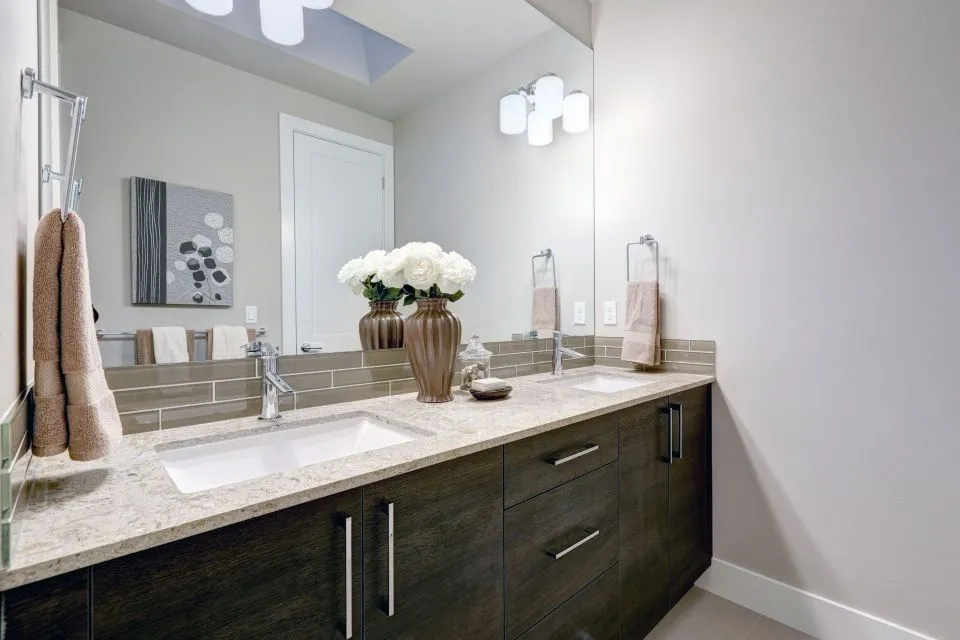
Maintaining the Uniform Appearance of Quartz Countertops
Quartz has become a go-to surface in renovations across Australia, from waterfront apartments in Sydney to family homes in Adelaide and the busy kitchens of Brisbane. The engineered stone combines crushed quartz with polymer resins and colour pigments, producing a dense slab that resists many of the everyday hazards a busy household throws at it. Australian homeowners and designers often choose quartz for its wide range of consistent tones, from stark whites through to deep charcoals, and the predictability of colour from slab to slab makes specification straightforward for projects spanning multiple rooms or units.
Once a slab is installed, the appearance can shift subtly when exposed to direct sunlight, harsh cleaners, repeated heat, or prolonged contact with strong pigments. Most shifts originate in the resin component rather than the quartz itself, so the goal of long-term care is to protect the binder from yellowing, fading, or patchy discolouration. A few consistent habits will keep an engineered stone surface looking as even as the day it was templated, regardless of the climate zone the home sits in.
Why Engineered Stone Colour Can Drift
Quartz slabs are roughly ninety percent crushed quartz held together by polymer resins and colour pigments added during manufacture. The stone aggregate does not change colour in normal use, but the resin portion is susceptible to UV light, alkaline cleaners, and sustained heat. When the resin yellows, even a perfectly patterned slab can appear uneven next to a fresh cut, a replacement section, or a recently polished edge.
Pigments are bound into the resin under factory conditions, so dramatic fading is rare unless the surface is exposed to constant direct sun. The more common issue is a gradual warming of the overall tone, especially in white, pale grey, and cream shades. Light surfaces show resin yellowing sooner because the contrast between the original tone and any amber shift becomes visible quickly. Knowing this helps target protective habits toward what matters most: limiting UV exposure, avoiding chemical reactions with the binder, and keeping heat sources away from the resin layer.
Australian Sun, Window Orientation, and UV Load
The intensity of sunlight across much of Australia puts quartz surfaces under more UV stress than in many other markets. North-facing kitchens in Brisbane or Perth can receive several hours of direct light through glazing, and an unprotected benchtop near a picture window can develop a pale yellow cast near the brightest zone while the rest of the slab stays true. Tinted window film, sheer curtains, or simply closing blinds during peak hours reduce the load significantly without changing the feel of the room.
Homes with alfresco servery windows, pass-through openings, or stacking doors face the same challenge on a larger scale. Openings that face north or west in Adelaide and inland NSW tend to bake in afternoon light that floods across breakfast bars and island benches. The fix is rarely the stone itself but the glazing strategy, and a fabricator experienced with kitchen surfaces can advise on placement relative to windows before templating begins. Outdoor kitchens in sun-drenched suburbs from the Gold Coast to Broome deserve particular attention, because the resin in standard interior-grade quartz is not formulated for full outdoor UV exposure and will yellow faster than an equivalent slab kept indoors.
Daily Cleaning Habits That Protect the Tone
A consistent cleaning routine does more for colour uniformity than any occasional deep treatment. Warm water, a soft microfibre cloth, and a pH-neutral stone cleaner lift everyday grime without reacting with the resin. A spray bottle kept under the sink makes the routine easy to maintain, and a quick wipe after preparing colourful ingredients such as beetroot, turmeric, or red wine prevents pigmented liquids from sitting on the surface long enough to leave a tint behind.
Products sold off the shelf at Australian hardware chains often promise heavy-duty degreasing, and several contain bleach, ammonia, or high-alkaline detergents. These break down the resin binder slowly and leave a dull, slightly mottled finish over months of repeated use. Anything labelled as oven cleaner, drain cleaner, or paint stripper should be avoided, even in diluted form. If a sticky residue genuinely needs something stronger, isopropyl alcohol diluted with water works as a spot treatment without harming the surface tone. Rinsing with clean water after any stronger cleaner is the simplest way to keep residue from sitting against the binder overnight.
Heat, Stains, and Chemical Spills
Quartz handles moderate kitchen heat better than many competing surfaces, but the resin softens above roughly 150 degrees Celsius, and a slow trickle of damage from warm pans can lead to darkening around frequently used zones. Trivets, silicone mats, and padded hot pads belong beside the cooktop rather than stored inside a drawer below it. The habit matters because heat damage to resin is cumulative and uneven, which produces the patchy look most homeowners want to avoid.
Acidic ingredients such as lemon juice, vinegar concentrate, and tomato sauce are fine in short contact but should be rinsed promptly rather than left to dry. Stronger chemicals, including nail polish remover, undiluted dishwashing liquid, and chlorine-based sanitisers, can etch the polished face or shift the colour where they pool. In homes where hard water is part of daily life, a squeegee after washing up keeps calcium rings from forming on darker quartz where they appear as faint pale halos that gradually dull the slab. A hand towel held under jugs and coffee machines catches splashes that would otherwise leave tide marks.
Edges, Seams, and High-Wear Zones
The factory finish on quartz is remarkably even, but the edges and seams are often the first places where colour inconsistency becomes visible. Polished edges keep their original tone for years, while honed or leathered finishes can collect skin oils from hands and appear slightly darker near the cooktop, fridge handle, or main sink. A fabricator finishing the slab can apply a colour-enhancing sealer or impregnating treatment during installation, and this protective coat should be refreshed every year or two on heavily used perimeters.
Seams are joined with colour-matched adhesive, and over time the adhesive can yellow independently of the slab, which gives the joint a warm line against cooler stone. Keep seams dry after cleaning instead of letting water linger, and avoid running knives along joint lines where the adhesive can be disturbed. Around integrated sinks and drainer grooves, water sits longer than on flat benchtop space, so a quick towel-dry each evening preserves the tone in these specific zones. Backsplash joins follow the same rule, and the silicone behind the rangehood can discolour if cooking sprays are left to build up for weeks at a time.
Long-Term Care and When to Bring in a Professional
Even with careful daily habits, a quartz surface will gradually change over a decade or more of service. A professional polish every few years evens out the gloss across the slab and refreshes the appearance without removing material from the stone. Some suppliers offer in-home polishing kits, but a trained technician has the tools required to match sheen levels across factory-polished faces and field-finished edges. Owners planning a renovation that involves unusual shapes, fireplace surrounds, or a bespoke dining table should consider custom stone projects sourced from the same slab batch for an exact colour continuation.
When a slab suffers from a deep stain, a chip on an edge, or visible resin damage, replacement of the affected section is often a cleaner result than attempted restoration. Because quartz is engineered in batches, even ordering from the same brand and colour name years later can produce a subtle mismatch. Saving offcuts from the original installation is the simplest insurance, and a fabricator who templated the original kitchen usually keeps a record of the batch number for future matching. For homeowners extending a kitchen or adding a butler's pantry, pairing the new slab with the original offcut keeps the colour story consistent across the entire space.
| Care Action | Effect on Colour Uniformity | Best Practice in Australian Conditions |
|---|---|---|
| Daily wipe with pH-neutral cleaner | Preserves resin clarity | Keep spray bottle near the cooktop in sunlit Brisbane or Perth kitchens |
| Close blinds during peak UV hours | Prevents resin yellowing | Important for north-facing servery windows and stacking doors |
| Use trivets under hot pans | Stops localised darkening | Place near the wok burner on gas cooktops common in modern homes |
| Towel-dry seams and sink edges | Reduces water-spot halos | Valuable where hard water is present, common in Adelaide and regional SA |
| Avoid bleach and ammonia cleaners | Prevents gradual resin breakdown | Choose a dedicated stone-safe wash over generic multipurpose sprays |
| Annual sealing on honed edges | Keeps hand-oils from settling | Reapply if the edge darkens after cooking or cleaning |
Habits worth keeping for the lifetime of the benchtop:
- Wipe spills within a few minutes, especially wine, coffee, turmeric, and beetroot
- Use cutting boards rather than the slab directly, since knife scoring lightens polished surfaces unevenly
- Park hot pots and pans on trivets, slow cookers and air fryers included
- Close blinds or draw curtains in north-facing rooms during the hottest part of the day
- Choose a stone-safe cleaner from a supplier that lists pH on the label
- Book a professional polish every two to three years for white or pale grey surfaces
- Store any leftover offcuts in a flat, dry spot for future repairs and additions