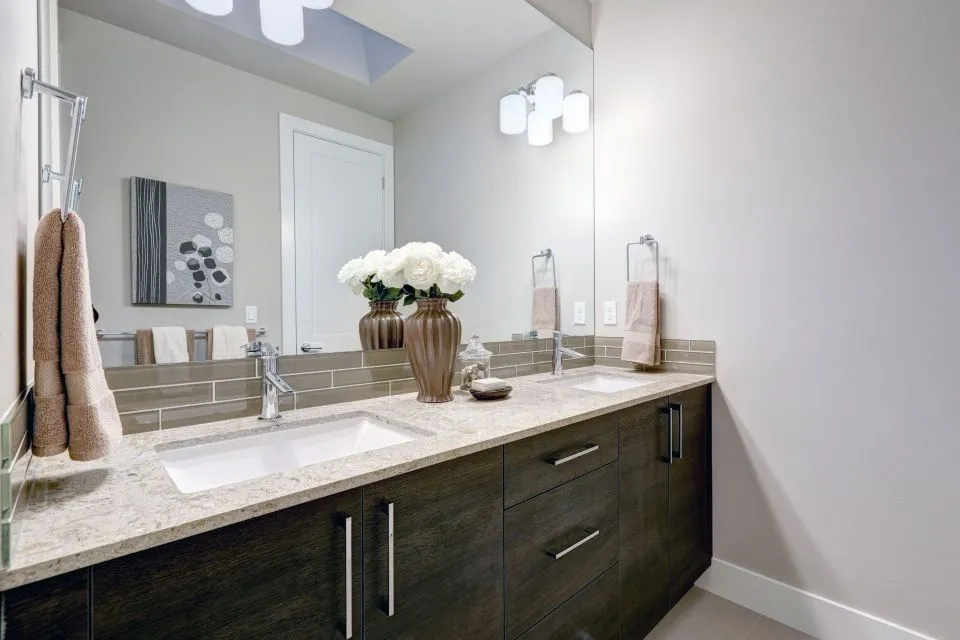
Porcelain countertops 101 for busy family kitchens
Family kitchens have to handle far more than meal preparation. They become homework stations, gathering places, snack bars, craft areas, and serving spaces during busy weekends. With constant activity, countertops need to resist spills, heat, scratches, stains, and the everyday wear that comes from a full household.
Porcelain countertops have become a popular choice for homeowners who want a refined surface without adding a demanding maintenance routine. Made from highly compressed and fired mineral materials, porcelain slabs offer impressive durability, broad design flexibility, and a clean appearance suited to both contemporary and traditional homes.
For families in North Little Rock and surrounding Arkansas communities, the material can work especially well in kitchens, bathrooms, laundry rooms, outdoor kitchens, and other high-use areas. The right slab, edge profile, sink design, and professional installation can create a surface that looks carefully designed while fitting naturally into daily life.
What porcelain countertops are made to handle
Porcelain countertops are manufactured by heating selected natural minerals at extremely high temperatures. This process creates a dense, hard surface with low porosity. Unlike many natural stones, porcelain does not need routine sealing to maintain its resistance to moisture and common household stains.
That low-porosity structure is valuable in a busy kitchen. Tomato sauce, coffee, cooking oils, juice, and food coloring are less likely to penetrate the surface when spills are cleaned promptly. Porcelain is also resistant to many household chemicals, making it practical for cleaning areas where food preparation and family activity happen throughout the day.
The material is highly resistant to scratches and abrasion under normal residential use. It is still wise to use a cutting board and avoid dragging heavy cookware across the slab, since sharp or concentrated impacts can damage any countertop material. Everyday durability should support good habits rather than replace them.
Porcelain also tolerates heat well, which is useful when meals move quickly from the oven or cooktop to the island. Trivets remain a sensible precaution, especially for prolonged contact with extremely hot cookware, but a porcelain worktop offers strong protection against the brief heat exposure common in family kitchens.
Why low maintenance matters in a family home
A countertop that requires frequent special care can become another household task. Porcelain simplifies the routine. Most daily cleaning requires a soft cloth or sponge, warm water, and a mild pH-neutral cleaner. Food residue should be wiped away before it hardens, but the general process is uncomplicated.
Because porcelain is nonporous, it does not absorb moisture in the same way that some porous stones can. This makes it useful around sinks, prep areas, beverage stations, and bathroom vanities. It also reduces concern about sealing schedules and the possibility of stains becoming embedded in the surface.
The finish still deserves attention. Honed or matte porcelain may show fewer fingerprints and reflections than a high-gloss surface, while polished porcelain can brighten a room and emphasize the depth of a marble-inspired pattern. Your fabricator can explain the care requirements for the exact finish and product selected.
Families should also consider seams, corners, and cutouts when planning maintenance. A well-designed layout limits unnecessary joints and places seams where they are less exposed to spills. Precise templating and professional installation help the finished countertop perform as intended.
Design flexibility for kitchens and bathrooms
Porcelain slabs are available in a wide range of colors, textures, and visual patterns. Some reproduce the veining of marble, while others resemble concrete, limestone, wood, or solid-color quartz. This gives homeowners the freedom to create a dramatic island, a quiet perimeter surface, or a coordinated design throughout the home.
Large-format slabs can create a streamlined appearance with fewer seams. Depending on the slab dimensions and room layout, a fabricator may be able to carry a continuous design across an island or use matching material for a backsplash. This can make the kitchen feel more intentional and easier to clean.
Porcelain is also suitable for more than standard countertop applications. It can be used for bathroom vanities, shower walls, fireplace surrounds, mantels, furniture pieces, and selected outdoor surfaces. Homeowners comparing countertop material options can evaluate porcelain alongside quartz, granite, marble, Dekton, soapstone, and butcher block according to the needs of each room.
Color and pattern should be evaluated in the actual space whenever possible. Cabinet tones, flooring, natural light, hardware, and wall color can change how a slab appears. Viewing a sample or full slab before fabrication helps the family make a confident decision about veining, background color, and finish.
Porcelain compared with other popular surfaces
Each countertop material has strengths, and the best choice depends on how a household cooks, cleans, gathers, and uses the room. Porcelain stands out for its heat resistance, stain resistance, and design range, while other materials may offer a particular texture or visual character that better suits the project.
Quartz is also low maintenance and offers many consistent patterns. Granite provides natural variation and a long-established reputation for durability. Marble delivers distinctive veining and a classic appearance, though it can be more vulnerable to etching and staining. Butcher block adds warmth and can be refinished, but it needs different care around water and food preparation.
The following comparison gives a practical starting point. Product quality, slab thickness, finish, edge fabrication, support, and installation all affect real-world performance.
| Material | Maintenance | Heat resistance | Design character | Family-friendly considerations |
|---|---|---|---|---|
| Porcelain | Low; routine cleaning with mild products | Very high under normal use | Marble looks, stone textures, concrete styles, solids | Excellent stain resistance and useful for busy prep zones |
| Quartz | Low; no routine sealing | Good, but prolonged direct heat can cause damage | Consistent colors and engineered patterns | Easy care and dependable for daily kitchen use |
| Granite | Usually requires periodic sealing | Very high | Natural variation and unique mineral patterns | Durable, though spills should be cleaned and sealing maintained |
| Marble | Requires more attentive care | Good, but heat does not prevent etching | Distinctive natural veining | Beautiful for careful households; acids and stains need prompt attention |
| Butcher block | Regular oiling and cleaning | Moderate | Warm, organic, traditional | Comfortable for food preparation but more vulnerable to moisture and cuts |
For many families, porcelain is especially appealing when the priorities are easy cleaning, a modern or stone-inspired look, and resistance to the messes associated with cooking. A design consultation can help determine whether it should be used throughout the kitchen or combined with another material in a specific zone.
Safety, sanitation, and everyday family routines
A countertop is a high-contact surface, so sanitation matters. The dense surface of porcelain gives bacteria, moisture, and food residue fewer places to penetrate when the slab is properly fabricated and installed. Smooth, well-sealed seams and correctly finished edges further support easy cleaning.
Integrated sinks can create a particularly practical setup. With the right design, the transition between the countertop and sink is easier to wipe down, reducing the raised rims and narrow crevices that can collect crumbs. This arrangement can be useful for families with young children or anyone who wants a cleaner visual line around the sink.
Bathroom applications benefit from the same qualities. Porcelain vanity tops, shower walls, and quartz shower pans can create surfaces that stand up to moisture and daily grooming routines. Large-format wall panels may reduce grout lines in selected shower designs, which can simplify cleaning and create a calmer appearance.
Good hygiene still depends on routine care. Countertops should be cleaned after food preparation, and harsh abrasive pads should be avoided unless the manufacturer specifically approves them. Professional guidance is important because cleaning recommendations can vary by finish, brand, and installation detail.
Planning a porcelain countertop project
A successful installation begins before the slab is ordered. Homeowners should consider cabinet condition, appliance placement, sink style, faucet holes, overhangs, seating areas, backsplash height, and the direction of any visible veining. These details determine how the slab will be cut and how the finished pattern will read.
Professional measurement and templating are especially important with porcelain. Although the material is strong once installed, slabs can be damaged by improper handling, unsupported spans, or poorly placed cutouts. Experienced fabricators account for cabinet support, transportation, seam placement, edge details, and the requirements of the selected product.
Edge profiles offer another opportunity to balance style and practicality. A simple eased edge has a clean contemporary appearance and is easy to live with. A rounded edge can soften a busy family kitchen, while a more decorative profile may suit a traditional remodel. Corners should be planned with safety and traffic flow in mind.
Budgeting should include the full project rather than the slab alone. Costs may involve demolition, cabinet adjustments, sink installation, backsplash work, edge fabrication, plumbing reconnection, and delivery. A detailed consultation helps homeowners compare options accurately and avoid surprises during installation.
Features that make the surface work harder
A porcelain countertop can be designed around the way a family actually uses the room. A larger island may include seating for quick breakfasts, a dedicated baking area, or extra landing space beside the refrigerator. Strategic overhangs can create useful serving zones, provided the cabinetry and support system are properly planned.
Backsplashes and shower walls can extend the same material vertically. Matching or coordinating porcelain behind a range helps protect the wall from grease and splashes, while a full-height backsplash can make cleanup easier than multiple small tile joints. In bathrooms, large panels can connect the vanity, shower, and wall design.
Custom fabrication also allows porcelain to become part of a broader remodeling plan. Fireplaces, mantels, outdoor kitchens, and furniture surfaces can carry a consistent visual language from room to room. Outdoor applications require careful product selection and installation methods suited to local exposure, temperature changes, and structural conditions.
These details matter because the best family-friendly surface is shaped around real routines. A place for lunchboxes, a durable coffee station, a generous prep area, and an easy-clean backsplash may provide more value than choosing a material based on appearance alone.
Practical choices for a smoother remodel
A few decisions can help homeowners select porcelain with confidence and protect the investment after installation:
- Choose a slab finish and pattern that suit the room’s lighting, cabinet color, and expected level of daily use.
- Ask about slab thickness, maximum unsupported spans, seam locations, edge fabrication, and sink cutout requirements.
- Use a professional measurement and templating process to reduce installation risks and improve the fit around walls and appliances.
- Follow the manufacturer’s cleaning instructions, using soft cloths and approved cleaners instead of abrasive or highly acidic products.
- Plan the countertop, backsplash, sink, and appliance layout together so the finished kitchen functions as one coordinated workspace.
A qualified fabricator can also explain where porcelain is the strongest fit and where another material may be more appropriate. For example, a homeowner might choose porcelain for the main kitchen perimeter and backsplash, quartz for a secondary vanity, or butcher block for a dedicated chopping area.
Porcelain countertops give busy families a combination of practical performance and design freedom. They resist many of the stains, spills, and heat exposures that come with daily cooking, while offering patterns that can resemble high-end natural stone or create a distinctly modern look. Their low-maintenance nature can make the kitchen easier to manage without making it feel utilitarian.
The best result comes from pairing the material with careful design, accurate fabrication, and skilled installation. The Countertop Store serves North Little Rock, Arkansas, and nearby communities with custom countertops, backsplashes, shower surfaces, integrated sinks, and other fabricated features. Schedule a consultation to discuss your room, compare slab options, and create a porcelain surface built for the way your family lives.