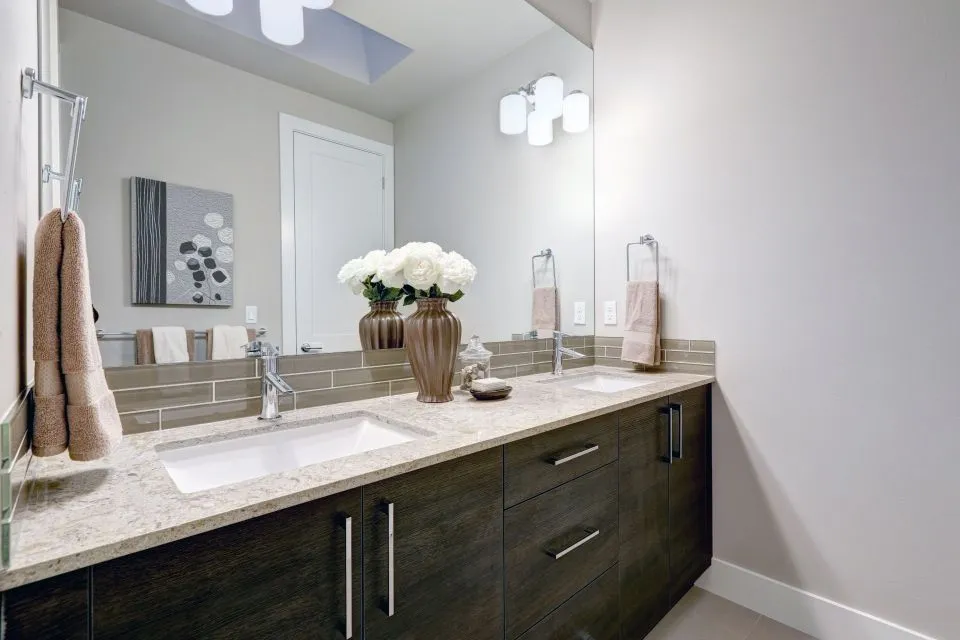
The Advantages Of A Matte Finish On A Granite Kitchen Countertop
Granite remains a popular choice for kitchen renovations because it combines natural variation with impressive strength. Its mineral movement gives a benchtop a sense of depth that manufactured surfaces often imitate, while its resistance to heat and everyday wear suits busy homes. The finish selected for the slab, however, can change the entire character of the room.
A matte granite surface, often called honed granite, has a soft, low-sheen appearance rather than the reflective polish traditionally associated with stone. It feels quieter and more contemporary, allowing cabinetry, splashbacks, timber and lighting to share attention. This makes it especially appealing in Australian kitchens, where practical materials and relaxed, understated interiors are highly valued.
The right result depends on the stone itself, the household’s routines and the quality of fabrication. A pale honed granite will behave differently from a dark one, and a family kitchen in Brisbane may have different cleaning concerns from an apartment kitchen in Melbourne. Understanding those details makes it easier to choose a finish that remains attractive long after installation.
A Softer Look With Natural Depth
Polished granite reflects light directly, creating a glossy surface that can make colour and veining appear more dramatic. A matte finish diffuses that light, producing a velvety appearance that feels more organic. The stone still displays its mineral pattern, but the visual effect is gentler and less formal.
This subdued quality works well with current Australian design preferences, including warm white cabinetry, natural timber, fluted panels and earthy colours. In a Sydney terrace or a renovated Adelaide bungalow, honed granite can connect a contemporary kitchen with the building’s original character. It also suits open-plan rooms because it does not compete with living-room furniture or decorative lighting.
A low-sheen worktop can be particularly effective when paired with a strong splashback. Textured tiles, handmade-look ceramics or a dramatic porcelain wall can provide contrast without making the room feel overly glossy. Homeowners exploring a calming palette can also draw on these calming colour palettes when coordinating the kitchen with adjoining living spaces.
A Practical Surface For Busy Kitchens
Granite is naturally hard and generally performs well under the demands of meal preparation. A honed finish does not make the stone immune to scratches, chips or stains, but its muted appearance can make small marks less visually obvious than they might be on a highly reflective surface. This is useful in kitchens where chopping, baking and entertaining happen every day.
The absence of strong reflections is another practical benefit. Overhead pendants, skylights and bright Australian sunlight can create glare on a polished benchtop, particularly in north-facing rooms. A matte surface absorbs and scatters more of that light, making it easier to view the work area from different angles.
This finish also contributes to a more comfortable visual environment in large kitchens. A broad island in a Gold Coast or Perth home can otherwise become a dominant shiny plane. Honed granite keeps the island substantial while reducing the commercial or showroom-like quality that some polished stones create.
Colour And Stone Selection Matter
Not every granite slab produces the same result when honed. Black and very dark stones may show fingerprints, oil marks and pale mineral residue more clearly, while mid-tone grey, taupe, green and brown granites often conceal everyday evidence of use. A sample should be viewed in the actual room, ideally at different times of day.
Lighting changes the appearance of a matte surface. Under cool white LEDs, grey granite may look sharper and more industrial; beneath warm lighting, the same slab can appear brown, cream or softly olive. Australian homes with extensive glazing should be assessed in natural daylight as well as at night, since direct sun may reveal subtle texture and colour shifts.
Veining and grain direction should be reviewed before the slab is cut. A fabricator can plan joins, sink openings and an island layout around the most attractive sections of the stone. This is especially important for waterfall ends, where the edge panel needs to align convincingly with the horizontal surface. A detailed waterfall edge guide can help explain how this feature changes the visual balance of an island.
Cleaning And Sealing Requirements
Honed granite is usually cleaned with a soft cloth, warm water and a pH-neutral stone cleaner. Abrasive powders, harsh degreasers and acidic products such as vinegar or lemon-based cleaners can affect the stone or its sealer. Spills should be wiped up routinely, especially around cooking areas and beside the sink.
The surface may need sealing according to the porosity of the particular slab and the product used by the fabricator. A sealer does not make granite permanently stain-proof; it gives the household more time to remove oil, wine, coffee and strongly coloured ingredients. Professional advice is valuable because sealing schedules vary between different granite types.
A matte finish can show a temporary dark patch when water or oil sits on the surface. This does not automatically indicate damage. Many marks fade as the moisture evaporates, while oil residues may need a suitable stone cleaner. Testing a sample before fabrication helps homeowners understand the normal appearance of the chosen material.
A simple care routine can keep the surface looking consistent:
- Wipe spills promptly, especially oil and red wine
- Use chopping boards for food preparation
- Place hot cookware on suitable trivets
- Avoid acidic or abrasive household cleaners
Texture, Tactility And Everyday Comfort
One of the pleasures of honed granite is its tactile quality. Instead of a glass-like surface, it has a subtle stone texture that feels natural beneath the hand. This can make a kitchen feel more connected to its materials, particularly when paired with timber drawers, leather seating or woven bar stools.
The softened finish is also useful for balancing hard architectural elements. Concrete floors, black-framed windows and stainless-steel appliances can appear severe when every surface is reflective. Matte granite introduces visual variation without adding another pattern, giving the room a grounded and considered feel.
Texture should still be checked in person. Some honed stones are almost silky, while others retain a more open, slightly granular feel. A homeowner who expects a completely smooth worktop may prefer a lightly honed finish, whereas someone seeking a visibly natural surface may appreciate stronger tactile variation.
Coordinating The Benchtop With The Room
A matte granite kitchen countertop provides a flexible foundation for colour planning. Creamy cabinetry can bring warmth to charcoal stone, while pale grey granite can support navy, eucalyptus green or natural oak. In compact kitchens, a lighter slab may help maintain brightness without introducing the reflective glare of polished stone.
The finish also works well with mixed metals. Brushed brass, aged bronze and satin nickel tend to sit comfortably beside honed granite because their surfaces share a restrained quality. Highly polished chrome can create sharper contrast, which may be intentional in a modern apartment or less suitable in a softer, country-inspired space.
In Australia, the relationship between indoor and outdoor areas is often important. Kitchens opening to a patio, courtyard or alfresco dining zone benefit from materials that feel natural in daylight. Granite can echo outdoor stonework while providing a more refined surface inside, though exterior applications require separate advice about weather exposure and installation conditions.
A carefully coordinated kitchen surfaces service can bring together measurement, templating, edge details, splashbacks and installation. These stages matter because the finish is only one part of the result; accurate joins and well-resolved cut-outs determine how professional the completed kitchen appears.
Fabrication Details That Shape The Result
The edge profile can reinforce or soften the character of a honed slab. A simple eased edge maintains a clean contemporary line, while a pencil edge gives a slightly gentler appearance. More decorative profiles may suit traditional cabinetry but can distract from granite with pronounced movement.
Sink installation also deserves careful planning. An undermount sink creates a neat transition and makes it easier to wipe crumbs directly into the bowl. The area around the cut-out should be sealed and finished correctly, since repeated exposure to water can reveal weaknesses in poor workmanship.
Thickness is another visual consideration. A standard slab may look crisp and minimal, while a laminated edge creates a heavier architectural profile. On a large island, a substantial edge can add presence; in a small kitchen, a slimmer treatment may preserve a sense of space.
Before fabrication, the slab should be checked for natural fissures, colour variation and areas that may be vulnerable near corners. Templates need to account for walls that are not perfectly straight, appliance clearances and the position of joins. These practical decisions protect the appearance and performance of the finished benchtop.
When A Matte Granite Finish Makes Sense
Honed granite is a strong choice for homeowners who want natural stone with a quieter visual presence. It suits kitchens where tactile materials, low-glare lighting and relaxed colour schemes are more important than a mirror-like finish. It can also be a smart option for open-plan spaces, where the benchtop needs to complement rather than dominate the living area.
It is less suitable when the main priority is maximum reflectivity or the easiest possible concealment of dark marks. Very dark honed stones may need more attentive wiping, and some households may prefer the sharper colour contrast produced by polishing. The best decision comes from comparing large samples, not relying on a small showroom chip.
A useful selection check can keep the decision grounded in daily life:
- View the slab in direct and indirect daylight
- Test how visible fingerprints and oil marks are
- Compare the finish with cabinetry and splashback samples
- Confirm sealing and maintenance requirements
For Australian homes, climate and lifestyle should be part of the conversation. Humid conditions in Brisbane and Darwin can make moisture management important around sinks, while strong sunlight in Perth or northern-facing rooms can make glare more noticeable. Coastal households should also consider how salt-laden air may affect nearby metal hardware, even though the granite itself is generally well suited to domestic kitchen use.
A well-fabricated matte granite surface offers a balance of durability, natural beauty and restrained design. Its appeal lies in the details: the way it handles daylight, softens a bold island, supports timber and metal finishes, and develops a lived-in character through regular use. With appropriate sealing, sensible cleaning and careful templating, it can remain an enduring centrepiece in a busy kitchen.