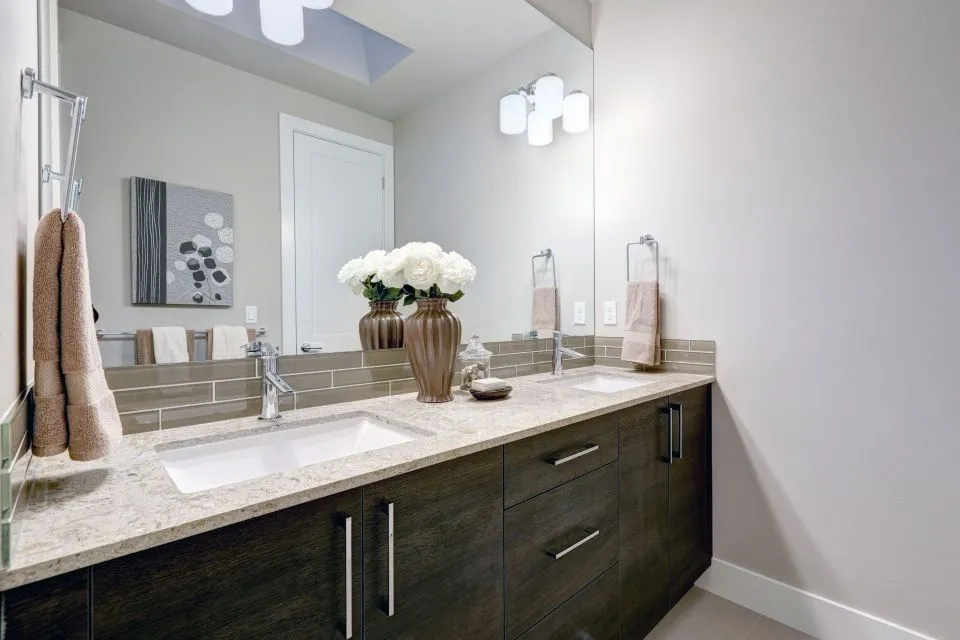
The Latest Innovations in Quartz Countertop Technology
Quartz countertops have become a leading choice for kitchens, bathrooms, and commercial interiors because they combine engineered consistency with the visual appeal of natural stone. Current manufacturing advances are expanding that role. New surface treatments, larger slabs, improved patterns, and more precise fabrication are giving homeowners greater design flexibility without making everyday maintenance complicated.
For a remodeling project in North Little Rock, Arkansas, these developments create more opportunities than simply choosing between a few colors. Quartz can now support coordinated backsplashes, shower walls, integrated sinks, fireplace surrounds, and furniture surfaces. The right product depends on the room, the desired appearance, edge details, installation conditions, and how the surface will be used.
Understanding the technology behind modern quartz helps make those decisions more practical. It also clarifies where quartz performs exceptionally well, where ordinary care is still necessary, and when another material such as porcelain, granite, marble, or Dekton may be a better fit.
Improved Patterns And Natural Stone Realism
One of the most visible advances is the way quartz manufacturers reproduce the movement of marble, quartzite, and other natural stones. High-resolution imaging, digital pattern development, and carefully controlled veining create designs with greater variation across a slab. Some collections include soft cloudy backgrounds, dramatic linear veins, or layered mineral effects that look far less repetitive than earlier engineered surfaces.
Modern production also allows manufacturers to coordinate the visual direction of a pattern. A fabricator can often plan vein placement across an island, perimeter countertop, backsplash, or shower wall so the design feels intentional. Bookmatching and vein matching may be possible with selected products, although the feasibility depends on the slab design, dimensions, seams, and manufacturer guidelines.
These details matter in open-concept homes where the countertop is a major architectural feature. A realistic stone pattern can provide the character of marble while avoiding the sealing schedule associated with many porous natural stones. Homeowners should still review the actual slab or a large sample, since small samples cannot fully show pattern scale, color variation, or how a vein will appear after cutting.
Stronger Surfaces With Better Performance
Engineered quartz is made from a blend of mineral content, resin, pigments, and other components. Innovations in that blend have improved resistance to staining, everyday abrasion, and surface wear. The result is a countertop that generally handles food preparation, bathroom routines, and regular cleaning with ease when it is installed and maintained correctly.
Some newer products use refined mineral compositions or enhanced finishing methods to produce a denser, more uniform surface. These improvements can help reduce visible porosity and make spills easier to remove. Quartz remains a popular low-maintenance material because it does not typically require periodic sealing like granite or marble.
Heat protection is still essential. A quartz surface may tolerate brief contact with warm items, but a hot pan, slow cooker, or heated appliance can damage the resin component or cause discoloration. Trivets and protective pads should remain part of normal kitchen use. For homeowners comparing quartz with high-heat materials, this comparison of surfaces explains why heat and scratch performance should be evaluated separately rather than treated as the same characteristic.
Lower-Impact Manufacturing And Cleaner Design
Sustainability has become a growing focus in engineered stone production. Manufacturers are working to reduce waste, improve water recycling, optimize slab cutting, and incorporate recycled mineral content where product specifications allow. These changes can lower material waste during manufacturing, although sustainability claims should be reviewed carefully for each collection.
Some quartz brands are also developing resin systems and production processes that support improved indoor air quality documentation. Certifications may address emissions, responsible manufacturing, or environmental product information. A qualified countertop professional can help identify which documentation is relevant to a residential or commercial project.
Cleaner design is another form of innovation. Thin-profile quartz, waterfall edges, seamless-looking backsplashes, and coordinated shower surfaces allow designers to create a more continuous visual plane. In bathrooms, large-format quartz panels can reduce the number of grout joints compared with small tile. Fewer joints can simplify cleaning and create a calmer appearance, provided the wall structure and installation system are suitable.
| Feature | Modern Quartz | Granite | Porcelain or Dekton |
|---|---|---|---|
| Pattern consistency | Controlled patterns with realistic veining | Naturally unique, slab-specific variation | Digital designs with strong visual consistency |
| Sealing needs | Usually does not require routine sealing | Often benefits from periodic sealing | Generally low maintenance and nonporous |
| Heat tolerance | Use trivets and avoid direct hot cookware | Usually strong heat resistance, though sealers can be affected | Very high heat resistance |
| Edge and fabrication options | Broad range of polished and custom profiles | Broad, with natural variation in fabrication | Precise fabrication required; edges may be more delicate |
| Seam visibility | Depends on color, pattern, and installation | Depends on slab movement and color | Depends on design and panel layout |
| Typical design appeal | Marble-like, concrete-inspired, solid, or bold patterns | Natural stone character | Large-format, architectural, and high-performance looks |
Digital Fabrication And Precision Installation
The quality of a quartz installation depends on more than the slab itself. Digital measuring, computer-aided design, CNC cutting, waterjet technology, and automated polishing have improved the accuracy of countertop fabrication. These tools allow fabricators to plan sink openings, cooktop cutouts, seams, backsplashes, and edge profiles before the slab is cut.
Precision reduces the chance of avoidable errors, but careful site preparation remains necessary. Cabinets must be properly installed, leveled, and secured. Walls may need to be checked for irregularities, and appliances should be available or accurately represented during templating. A digital template is valuable because it captures the actual conditions of the room rather than relying only on construction drawings.
Modern fabrication also supports more custom applications. Quartz can be shaped for waterfall islands, furniture tops, fireplace surrounds, mantels, shower benches, and wall panels. Integrated sinks and coordinated backsplashes can create a continuous material language across the room. These applications require detailed planning around support, expansion, plumbing, access, and seam placement.
Hygienic Surfaces For Kitchens And Bathrooms
A nonporous quartz surface is useful in areas where moisture, food residue, cosmetics, and cleaning products are common. When the surface is properly fabricated and sealed at seams and cutouts, it gives spills fewer places to penetrate. Routine cleaning typically requires a soft cloth, mild soap, and water rather than abrasive powders or harsh chemicals.
The newest design conversations also focus on hygienic performance and touch-friendly environments. Some manufacturers promote antimicrobial surface technologies or enhanced cleanability, but these features should not be treated as a replacement for regular sanitation. The sink area, backsplash joints, faucet openings, and countertop edges still need attentive cleaning.
Large quartz panels can be especially effective in showers and bathroom walls. Reducing grout lines may make the enclosure easier to maintain and gives the room a spacious appearance. Quartz shower pans can also coordinate with wall surfaces, while benches, niches, and thresholds can be fabricated to match or complement the surrounding material. Proper waterproofing behind the surface remains critical because the countertop material itself is not a substitute for a complete shower system.
Colors, Finishes, And Personalized Details
Technology has broadened the available finish options beyond traditional high-polish quartz. Depending on the collection, homeowners may find honed, concrete-inspired, matte, suede, or lightly textured surfaces. These finishes can soften reflections and create a more contemporary appearance, though some may show fingerprints, water marks, or dark residue more readily than polished surfaces.
Color development has expanded as well. Warm whites, greiges, charcoal tones, muted greens, blue-gray shades, and dramatic veined designs allow quartz to coordinate with painted cabinetry, wood tones, metal fixtures, and tile. Some homeowners choose a quiet perimeter surface and a more expressive island, while others use the same quartz on counters and backsplash walls for a unified look.
Personalization also comes through edge profiles. A simple eased edge suits a clean modern kitchen, while a bevel, pencil edge, or more decorative profile can provide a traditional detail. Rounded corners may improve circulation and reduce sharp contact points in busy kitchens. The best choice considers the slab thickness, room style, maintenance expectations, and how the countertop will meet appliances or adjacent surfaces.
The Countertop Store supports projects that extend beyond standard kitchen installations. Its company background describes the consultation, fabrication, and installation services available for residential remodeling surfaces in the North Little Rock area. That broader capability can be useful when a project includes a matching bathroom vanity, shower wall, fireplace, outdoor kitchen, or custom furniture piece.
Practical Selection And Care Priorities
The most advanced quartz product is not automatically the best choice for every room. A large island with dramatic veining may require careful seam planning and additional slab material. A dark honed finish may look sophisticated but need more frequent wiping than a light polished surface. A bathroom wall installation may benefit from large panels, while a compact vanity could make better use of a standard slab layout.
Before making a selection, compare samples in the actual lighting and view the full slab whenever possible. Discuss the location of seams, the direction of veining, sink style, edge treatment, support requirements, and appliance clearances with the fabricator. These choices influence the finished appearance as much as the color name on a sample card.
Useful priorities for a quartz remodeling project include:
- Match the surface finish to the room’s lighting, traffic, and cleaning habits.
- Confirm heat, chemical, and warranty guidelines from the specific manufacturer.
- Plan slab layout and vein direction before approving the final fabrication template.
- Coordinate countertops with backsplashes, shower walls, sinks, and edge profiles.
- Use cutting boards, trivets, and nonabrasive cleaners to protect the finished surface.
Quartz technology is moving toward greater realism, more durable everyday performance, lower-waste production, and increasingly precise customization. Those advances make engineered stone a versatile option for kitchens, bathrooms, and distinctive architectural features, but professional planning remains central to achieving the intended result.
For a quartz countertop, backsplash, shower wall, integrated sink, or custom surface in North Little Rock and surrounding communities, contact The Countertop Store to discuss your space, review material options, and arrange accurate measurements and fabrication planning. A knowledgeable local team can turn the newest quartz possibilities into a surface that fits the way your home is designed and used.