Countertop Design Trends Shaping Arkansas Homes in 2025
Countertops have become one of the most influential design choices in an Arkansas kitchen or bathroom. They determine how a room looks, how easily it can be maintained, and how well it supports everyday routines. In 2025, homeowners are moving beyond simple color selection and considering the entire surface experience, from edge details and backsplashes to shower walls and integrated sinks.
Local remodeling preferences reflect both style and practicality. North Little Rock homes need surfaces that can handle busy family schedules, cooking, entertaining, humidity, and frequent cleaning without making the room feel overly industrial. The most successful designs combine durable materials with warm color palettes, natural movement, and carefully planned fabrication.
Quartz remains a popular choice, but it is sharing attention with porcelain, Dekton, granite, marble, soapstone, and butcher block. Each material creates a different balance of visual character, maintenance, and performance. Understanding the leading countertop trends makes it easier to select a surface that suits the home rather than simply following a passing style.
Warm Neutrals Bring More Character
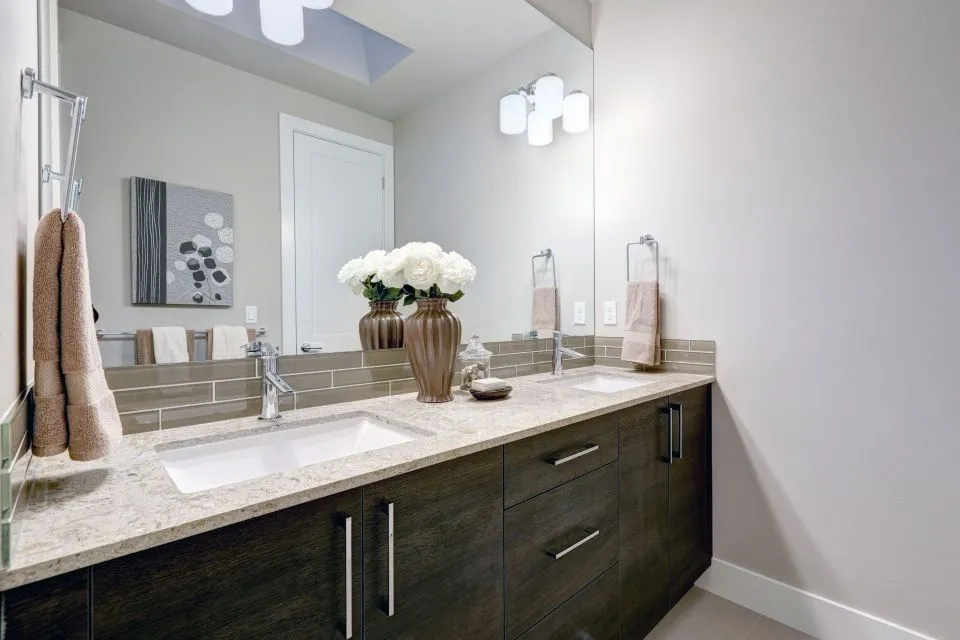
Cool white countertops are giving way to warmer neutrals in many Arkansas remodeling projects. Cream, ivory, taupe, sand, mushroom, and soft greige help kitchens and bathrooms feel more comfortable while pairing naturally with wood cabinetry. These shades also work well with the region’s preference for welcoming, livable interiors rather than spaces that appear too formal or stark.
Warm neutrals do not have to look plain. Quartz and porcelain patterns can include delicate veining, cloudy movement, or fine mineral details that add depth without overpowering the room. A soft background with subtle variation is especially effective when cabinets, flooring, and wall colors already contribute strong visual interest.
This palette also supports long-term flexibility. Homeowners can update hardware, paint, lighting, or furniture without needing to replace a countertop that is tied to a highly specific trend. A warm surface can look traditional with stained oak cabinetry, contemporary with flat-panel doors, or transitional with shaker-style cabinets.
Dramatic Veining Creates a Focal Point
Large-scale veining is becoming a defining feature in kitchen islands, bathroom vanities, and fireplace surrounds. Instead of treating the countertop as a background element, homeowners are using the slab as artwork. Bold gray, charcoal, beige, or rust-colored veining can establish the room’s color direction and create a strong focal point.
Bookmatching is another way to emphasize natural-looking movement. When adjoining slabs are positioned so the pattern mirrors across a corner or wall, the result can feel intentional and architectural. This approach is particularly striking on waterfall islands, full-height backsplashes, and shower walls, although it requires careful slab selection and templating.
The best dramatic surfaces are balanced by quieter surrounding materials. Simple cabinet fronts, restrained hardware, and uncomplicated lighting allow the veining to remain visible. In a smaller bathroom, a bold vanity top may provide enough visual impact without repeating the pattern throughout the entire room.
For homeowners who want marble-like movement with easier everyday care, porcelain and quartz can provide convincing alternatives. A porcelain surface guide can help explain why this material is receiving attention in active households.
Full-Height Applications Expand the Surface
A standard four-inch backsplash is no longer the only option. Full-height backsplashes that continue from the counter to the upper cabinets or ceiling are increasingly popular because they create a cleaner, more continuous appearance. They reduce visual interruptions and give veined materials more room to make an impression.
Using the same slab on the countertop and backsplash can make a kitchen feel larger and more coordinated. It also reduces the number of grout lines and creates a smoother transition behind sinks and cooking areas. This style works particularly well when upper cabinets are limited or when open shelving is used to display dishes and decorative pieces.
Bathrooms are seeing an even broader use of large-format surfaces. Porcelain or quartz panels can extend across shower walls, behind freestanding tubs, or around niches. Quartz shower pans and coordinated wall panels create a tailored look while avoiding the fragmented appearance of numerous small tiles. Proper substrate preparation, seam planning, and waterproofing remain essential to a successful installation.
| Material | Visual Direction | Practical Strengths | Common Arkansas Applications |
|---|---|---|---|
| Quartz | Consistent color or controlled veining | Low-maintenance, broad design range | Kitchen counters, islands, vanities |
| Granite | Natural movement and mineral variation | Durable and distinctive | Kitchens, outdoor kitchens, bars |
| Porcelain | Marble-inspired patterns and large formats | Resistant to heat, stains, and many daily demands | Backsplashes, shower walls, counters |
| Marble | Authentic veining and classic character | Luxurious appearance that develops patina | Low-traffic vanities, statement areas |
| Dekton | Modern stone-like or concrete-inspired finish | Highly engineered performance for demanding areas | Kitchens, outdoor features, fireplaces |
| Soapstone | Matte, deep color with soft movement | Heat-resistant and naturally tactile | Farmhouse kitchens, specialty counters |
| Butcher Block | Organic grain and warm texture | Adds visual warmth and can be refinished | Islands, work surfaces, furniture pieces |
Layered Texture Softens Modern Rooms
Smooth, polished countertops are still available, but honed, leathered, matte, and textured finishes are gaining ground. These surfaces offer a quieter reflection and a more tactile appearance, which can make a contemporary kitchen feel less sterile. They also coordinate well with natural wood, unlacquered brass, handmade tile, and woven materials.
A leathered granite finish, for example, highlights the stone’s natural variation while giving it a softer visual presence. Honed marble can create a relaxed, timeworn feeling, while a matte porcelain slab supports a clean modern design. Finish selection should account for the specific material because texture can affect how fingerprints, water marks, crumbs, and color variation appear.
Layering does not require every surface to have a different finish. A more successful approach often combines one dominant countertop texture with complementary details elsewhere. A polished island may contrast with a matte backsplash, or a leathered vanity top may work alongside smooth shower panels and brushed metal fixtures.
Custom Edges and Integrated Features Add Distinction
Countertop design is becoming more customized at the edges and transitions. A simple eased edge remains practical and versatile, while bevel, bullnose, ogee, and other profiles can reinforce a home’s architectural style. A waterfall edge on an island continues to be popular, especially when the slab’s pattern is carried down the sides for a seamless appearance.
Integrated sinks are also gaining attention in bathrooms and select kitchens. Fabricating the sink and counter as a coordinated feature can eliminate visible rims and create a streamlined surface that is easier to wipe clean. These details are especially useful in contemporary bathrooms, where a minimal vanity benefits from fewer visual breaks.
Custom fabrication allows homeowners to carry the same material beyond ordinary counter space. Matching slabs can be used for fireplace surrounds, mantels, shower benches, niches, window ledges, outdoor kitchens, and furniture pieces. Repeating the material in selected areas creates continuity without requiring every room to look identical.
Material Selection Should Match the Room
The right countertop depends on how a space is used, not just how it photographs. A family kitchen may need a forgiving, low-maintenance surface that handles regular meal preparation and cleanup. A guest bathroom may prioritize a distinctive pattern because it receives less daily wear. An outdoor kitchen needs a material suited to changing temperatures, sunlight, and exposure.
Arkansas homeowners should also consider natural light, cabinetry, flooring, and room scale before choosing a slab. A heavily patterned material can become overwhelming in a compact kitchen, while a quiet surface may look underwhelming on a large island. Viewing full slabs rather than small samples helps reveal the true movement, background color, and areas where seams may fall.
Consultation, field measurement, templating, and fabrication are equally important parts of the design. Precise planning accounts for walls that are not perfectly square, appliance clearances, sink placement, overhangs, support requirements, and backsplash transitions. These practical details protect the appearance of the finished project and help prevent costly changes during installation.
Planning Details That Protect the Design
Trendy materials and layouts work best when they are supported by thoughtful installation decisions. Homeowners should discuss seam locations, edge profiles, sink mounting, cooktop cutouts, outlet placement, and backsplash height before fabrication begins. A beautiful slab can lose impact if seams are placed in prominent areas or if the pattern is not aligned across adjoining surfaces.
It is also useful to consider maintenance habits honestly. Some materials reward regular sealing or develop visible patina over time, while others offer a more consistent appearance with minimal upkeep. Choosing based on actual household routines leads to greater satisfaction than selecting a surface solely because it resembles a favorite inspiration photo.
A focused design plan can include the following priorities:
- Select a color and pattern that coordinate with existing cabinetry, flooring, and lighting.
- Compare full slabs and review how veining will appear at seams, edges, and waterfall panels.
- Match the finish and material to the room’s cleaning demands, heat exposure, and traffic.
- Plan backsplashes, shower walls, sinks, and specialty features as part of one connected design.
- Confirm measurements, templating, support, and installation details before fabrication.
Countertop trends in 2025 are centered on surfaces that feel personal, durable, and connected to the architecture of the home. Warm neutrals, expressive veining, full-height slabs, layered textures, and custom details can each make a room more distinctive, but they should be selected as parts of a complete design rather than isolated features.
The Countertop Store can help North Little Rock homeowners move from inspiration to a finished surface with material consultation, precise measurements, custom fabrication, edging, and professional installation. Explore the possibilities for your kitchen, bathroom, shower, fireplace, or outdoor living area by scheduling a consultation and planning a countertop design built around the way your Arkansas home is used.