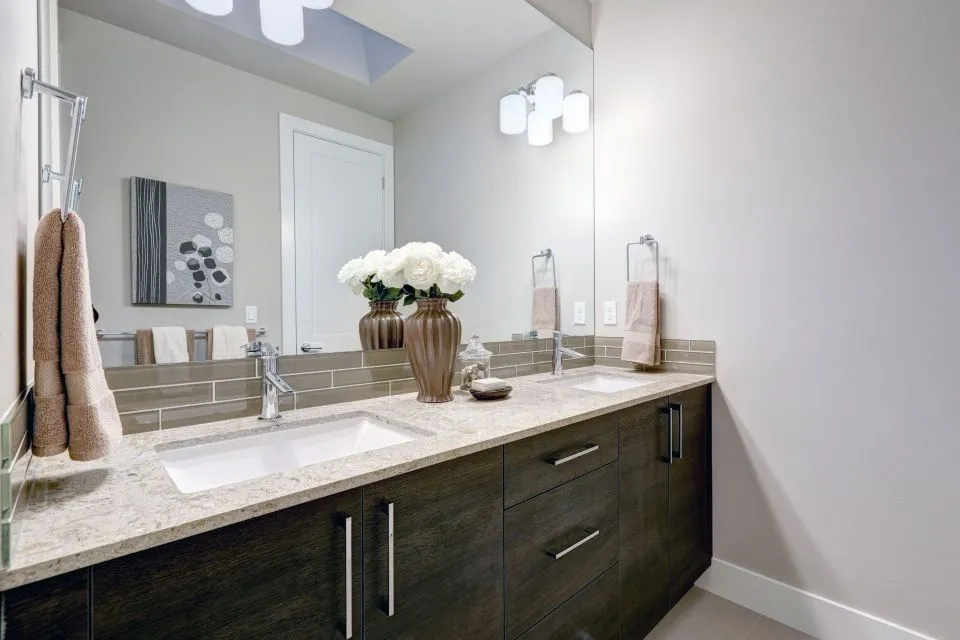
What to Look for in a Countertop Fabrication Company
Choosing a countertop fabricator is a major decision in any kitchen or bathroom remodeling project. The company you hire influences the appearance of the finished space, the accuracy of the installation, the durability of the surfaces, and how smoothly the project moves from the first consultation to the final inspection.
A beautiful slab is only one part of the result. Careful measurements, precise templating, skilled cutting, properly finished edges, dependable scheduling, and experienced installation all determine whether the countertop performs as well as it looks. A qualified fabricator should be able to explain each stage clearly and help you choose a material that fits your home, lifestyle, and budget.
For homeowners in North Little Rock, Arkansas, and nearby communities, it is useful to compare local countertop companies by more than price alone. Look for a team that combines design guidance with in-house craftsmanship and offers a complete process for kitchens, bathrooms, showers, outdoor areas, and custom surfaces.
Review Materials And Design Experience
A strong countertop fabrication company should work with a range of materials rather than steering every customer toward the same option. Quartz, granite, marble, porcelain, Dekton, soapstone, and butcher block each have distinct qualities involving maintenance, heat resistance, staining, pattern movement, and installation requirements. A knowledgeable specialist can explain those differences in practical terms.
Material expertise also matters when a project includes more than a standard kitchen island. Bathroom vanities, shower walls, quartz shower pans, fireplace surrounds, mantels, outdoor kitchens, and furniture pieces may require different fabrication methods. Ask whether the company has completed work similar to your project and whether its team understands the performance needs of the intended space.
A portfolio should show more than a few attractive close-up photographs. Look for examples of full kitchens, backsplash transitions, waterfall edges, shower installations, integrated sinks, and unusual layouts. The custom project gallery can help demonstrate how a fabricator approaches distinctive residential features and complex surface applications.
Examine The Fabrication Process
Fabrication quality begins with accurate information about the room. A professional company should measure existing cabinets, walls, appliances, sinks, and other fixed elements before creating a final template. Digital templating or carefully prepared physical templates can reduce errors around corners, cooktops, faucets, outlets, and backsplashes.
Ask where fabrication takes place and who performs the work. Some businesses outsource major portions of production, while others handle cutting, edging, polishing, and finishing through their own shop. In-house fabrication may provide greater control over quality and timing, particularly when a project includes custom edge profiles, unusual cutouts, book-matched patterns, or integrated components.
The edge detail deserves specific attention because it affects both style and daily use. A simple eased edge may suit a modern kitchen, while a bevel, bullnose, ogee, or laminated edge can create a different visual effect. The fabricator should show samples, explain the cost implications, and confirm that the selected profile is suitable for the material.
Evaluate Installation Standards And Project Coordination
Even precisely fabricated countertops can produce a disappointing result if installation is rushed or poorly coordinated. Confirm whether the company manages the complete process, including delivery, placement, seam positioning, leveling, sink installation, backsplash fitting, and final sealing when required. A single point of responsibility can make it easier to resolve concerns.
Installation planning is especially important for large islands, heavy natural stone, narrow stairways, tight hallways, and rooms with limited access. The contractor should discuss how the slabs will enter the home, whether cabinets need additional support, and what preparation must be completed before the installation crew arrives.
Seams should be discussed before fabrication begins. Their visibility depends on slab color, lighting, layout, pattern movement, and location. An experienced installer can place seams in less noticeable areas while maintaining structural stability. For showers and backsplashes, precise joints and consistent alignment help prevent moisture problems and create a cleaner appearance.
| Evaluation Area | What A Professional Company Provides | Warning Sign |
|---|---|---|
| Material selection | Clear advice based on use, maintenance, and design | Pressure to choose one material without explanation |
| Measurements | Detailed site measurements and a confirmed template | An estimate based only on rough dimensions |
| Fabrication | Controlled cutting, polishing, edging, and cutouts | Unclear responsibility for production |
| Installation | Coordinated delivery, placement, leveling, and finishing | Separate crews with little project communication |
| Pricing | Written scope covering material, labor, edges, sinks, and extras | A low initial quote with vague exclusions |
| Aftercare | Care instructions and a process for addressing defects | No written warranty or service information |
Compare Estimates Beyond The Bottom Line
A countertop estimate should describe more than the price per square foot. It should identify the selected material, slab thickness, edge profile, backsplash details, sink cutouts, cooktop cutouts, demolition, plumbing coordination, delivery, installation, sealing, and applicable taxes. A detailed proposal makes it easier to compare companies fairly.
Ask whether the estimate includes remnants, overage, seam treatment, support brackets, disposal of existing surfaces, and adjustments to cabinets. These items can significantly change the final cost. A fabricator who explains potential variables in advance is generally easier to work with than one who provides an unusually low figure and adds charges later.
Price is still important, but value comes from the combined quality of material, craftsmanship, communication, and service. Natural stone may require different care than quartz, while porcelain and Dekton can involve specialized cutting and handling. The right company will help you understand the complete investment instead of treating the material selection as an isolated purchase.
Schedule information should appear in the proposal or project discussion as well. Ask when measurements will occur, when the slab will be ordered or selected, how long fabrication typically takes, and what conditions could affect the installation date. Clear expectations help coordinate cabinet work, plumbing, painting, appliances, and other trades.
Assess Communication And Custom Capabilities
Your fabricator should be willing to listen carefully to how you use the space. A family kitchen, rental property, primary bathroom, outdoor bar, and fireplace surround each call for different recommendations. Good consultation considers cooking habits, cleaning preferences, children, pets, natural light, cabinet colors, and the overall design direction.
Communication should continue after the initial selection. You should know who will answer questions, when measurements are scheduled, how slab approval works, and how changes are documented. If a design adjustment affects the price or schedule, the company should explain it before proceeding rather than presenting it as a surprise.
Custom capabilities can reveal the depth of a shop’s experience. Integrated sinks, custom shower walls, waterfall panels, furniture tops, fireplace details, and outdoor countertops often require closer coordination than a standard rectangular surface. For bathroom planning, these integrated sink ideas illustrate how a seamless basin can reduce visual breaks and simplify cleaning.
A capable company should also know when a requested design needs additional support, a different material, or a revised layout. Honest guidance is valuable. The best result may involve changing the seam location, selecting a more suitable slab, adding a radius to a corner, or adjusting a shower detail to improve long-term performance.
Check Reputation, Warranty, And Professional Standards
Online reviews can provide useful clues, but they should be read with attention to specific details. Look for comments about punctuality, communication, installation cleanliness, workmanship, and how the company handled problems. A review that mentions accurate templates or careful seam placement may be more informative than one that only praises a finished photograph.
Ask for references or examples of recently completed work when possible. Speaking with past customers can reveal whether the crew protected floors and cabinets, cleaned the area, respected the schedule, and responded promptly to questions. Local experience can also be helpful because the company may understand common home layouts and remodeling conditions in North Little Rock and surrounding areas.
Verify that the business provides written warranty information for both materials and workmanship. These warranties may come from different parties, so ask who handles each type of claim and what circumstances are excluded. Care instructions should explain cleaning products, heat exposure, cutting practices, sealing requirements, and any limitations specific to the selected surface.
Before signing, review the contract carefully. It should identify the material, color or slab selection, dimensions, edge treatment, sink type, project scope, payment schedule, expected timing, and change-order process. A professional agreement protects both sides and gives you a reliable reference throughout the remodel.
Practical Steps Before You Hire
A short preparation process can make consultations more productive and help you recognize a dependable countertop partner. Bring cabinet drawings, room dimensions, inspiration photographs, appliance information, and a realistic budget range. If you are remodeling an existing room, photographs of plumbing, walls, and cabinet conditions can help identify possible complications.
Use these steps to narrow your choices:
- Visit a showroom or slab source to view colors, patterns, thicknesses, and edge samples in person.
- Request a written estimate that separates material, fabrication, installation, demolition, and optional features.
- Ask who performs measurements, templating, fabrication, delivery, and installation.
- Confirm how seams, sinks, backsplashes, supports, and wall irregularities will be handled.
- Check references, warranty terms, insurance information, and the company’s process for resolving concerns.
A reputable fabricator will welcome informed questions because clear communication reduces mistakes. Be cautious if a company avoids discussing templates, cannot explain its installation process, or asks for a large commitment before confirming the project details. Professionalism should be visible in the consultation as well as in the finished surface.
The final choice should reflect the whole experience: design assistance, technical knowledge, craftsmanship, scheduling, and after-installation support. When those elements align, the countertop becomes a durable part of the room rather than a separate product that simply happens to fit the cabinets.
The Countertop Store provides consultation, measurements, templating, fabrication, edging, and installation for homeowners in North Little Rock, Arkansas, and nearby areas. Its capabilities extend from kitchen and bathroom countertops to shower systems, integrated sinks, fireplaces, mantels, outdoor kitchens, and custom furniture surfaces.
When you are ready to compare materials, review project possibilities, or discuss the details of a remodeling plan, contact The Countertop Store to arrange a consultation. A careful conversation at the beginning can lead to better selections, a clearer estimate, and a countertop installation built around the way your home is actually used.