Why butcher block countertops are back in modern homes
Butcher block countertops are returning to kitchens and living spaces because homeowners are seeking materials that feel warm, personal, and connected to nature. After years of smooth white surfaces and highly uniform finishes, wood countertops bring visible grain, subtle variation, and a sense of craftsmanship to contemporary interiors.
The renewed interest is not simply about nostalgia. Today’s butcher block can be fabricated with precise seams, modern edge profiles, undermount sink cutouts, integrated design details, and durable protective finishes. It can look equally at home in a minimalist kitchen, a traditional farmhouse renovation, or an open-plan space with quartz, porcelain, or stainless steel nearby.
For homeowners in North Little Rock and surrounding Arkansas communities, custom wood countertops offer a practical way to soften a remodeling project without abandoning modern performance. The right species, construction, finish, and maintenance routine can make butcher block a lasting feature rather than a short-lived trend.
Natural warmth for contemporary spaces
Modern kitchens often include hard, reflective surfaces such as polished stone, metal appliances, glass tile, and painted cabinetry. Butcher block introduces a softer visual element that balances those materials. The grain adds movement without the busy pattern sometimes found in heavily veined stone, while the natural color makes a room feel more inviting.
Wood also works well with a broad range of cabinet colors. Light maple can brighten a space with navy, charcoal, or forest-green cabinetry. Walnut creates contrast against white or cream cabinets, and oak can support a relaxed, Scandinavian-inspired palette. A carefully selected stain may deepen the color, although many homeowners prefer a clear finish that allows the natural character of the wood to remain visible.
This warmth is especially valuable in kitchens with large islands. An island is often the social center of the home, used for preparing meals, serving food, working, and gathering. A butcher block island top can make that central feature feel more approachable, even when the perimeter counters use a sleek quartz or porcelain surface.
A flexible material for mixed-material design
The comeback of butcher block is closely tied to the popularity of layered kitchen design. Instead of using one countertop material throughout the room, homeowners are combining surfaces according to function and visual balance. A durable stone may surround the sink and cooktop, while wood defines the island or a dedicated baking area.
This approach gives each material a clear role. Quartz may provide a low-maintenance work surface, while butcher block adds contrast and warmth. Granite can bring natural variation to the perimeter, with a wooden breakfast counter creating a more casual place to sit. Soapstone, marble, and Dekton can also be paired with wood when the colors and edge details are coordinated carefully.
Wood countertops can be customized beyond color. Fabricators can create eased, bevelled, or rounded edges, shape a peninsula to improve traffic flow, and add cutouts for sinks or cooking equipment. A built-in cutting board, serving ledge, or furniture-style overhang can make the countertop feel designed specifically for the room rather than selected from a standard product range.
What makes butcher block practical
A butcher block top is made from many pieces of wood joined together, creating a stable surface with a distinctive linear or patterned grain. Edge-grain construction is common for residential countertops because it offers a clean appearance and dependable strength. End-grain designs, which show the ends of the wood fibers, have a classic butcher-shop look and can be exceptionally durable, though they may require more specialized fabrication.
The best choice depends on how the surface will be used. A decorative island that receives light preparation may need a different finish from a heavily used worktop. Hardwoods such as maple, oak, walnut, and cherry are popular because they can withstand regular household activity when properly sealed and maintained.
| Material choice | Visual character | Ideal applications | Maintenance considerations |
|---|---|---|---|
| Maple | Light, fine, and clean-grained | Bright kitchens, islands, baking areas | Shows marks more readily; benefits from routine sealing |
| Walnut | Deep, rich, and naturally elegant | Accent islands, bar tops, furniture-style surfaces | Protect from prolonged moisture and direct heat |
| Oak | Distinct grain with a versatile tone | Traditional, transitional, and rustic-modern kitchens | Grain texture may require attentive cleaning |
| Cherry | Warm color that deepens over time | Classic kitchens and custom built-ins | Color changes with sunlight and age |
| Mixed hardwoods | Varied, handcrafted appearance | Statement islands and custom design features | Finish should be renewed consistently across the surface |
A professional fabrication process helps the material perform as intended. Accurate field measurements, careful templating, properly supported overhangs, and sealed cutouts reduce the risk of problems after installation. These details matter around sinks, dishwashers, cooktops, and corners where moisture or movement can place extra stress on the wood.
Where wood countertops work best
The kitchen island remains the most popular location for butcher block, partly because it allows homeowners to enjoy the appearance of wood without exposing every countertop surface to heavy moisture. An island can serve as a chopping area, breakfast bar, homework station, or serving counter, making the tactile quality of wood especially useful.
Butcher block also works well as a short countertop run, a coffee station, a pantry worktop, or a custom desk integrated into cabinetry. A smaller installation can provide the character of wood while keeping maintenance straightforward. In open-plan homes, a matching wood shelf, mantel, or furniture piece can repeat the material and create a cohesive design language.
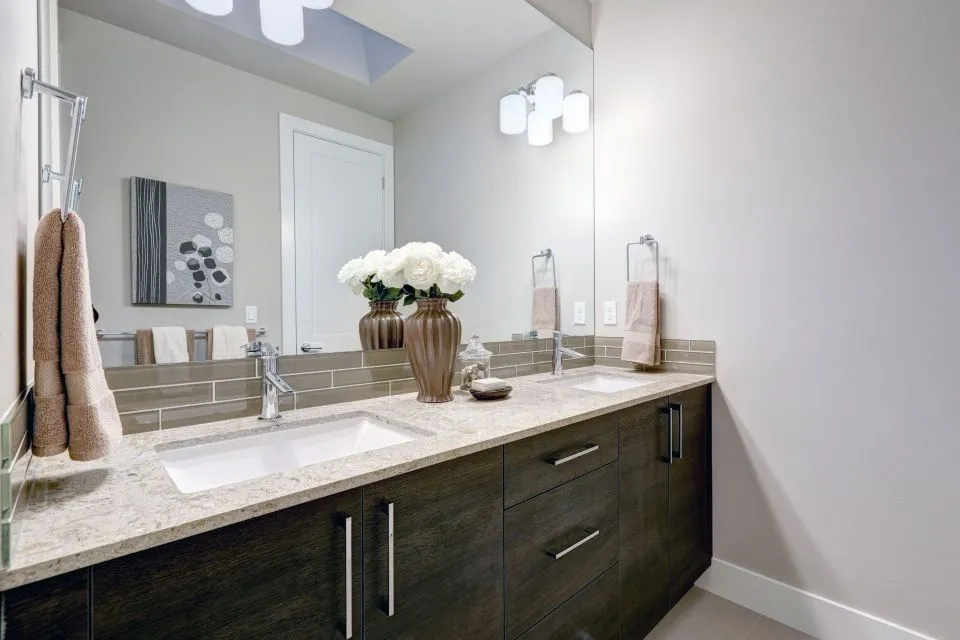
Bathroom applications require more care. Wood can be used for a vanity top when it receives a suitable water-resistant finish and has well-protected sink cutouts, but standing water should never be allowed to remain on the surface. For shower walls, quartz shower pans, and areas with constant exposure to moisture, porcelain, quartz, or another purpose-made surface is generally more appropriate. Combining a wood vanity with a stone or porcelain shower creates warmth without placing timber in the most demanding environment.
Outdoor kitchens present another specialized situation. Some wood species and finishes can be used in protected outdoor settings, but sunlight, humidity, rain, and temperature changes require a product selected specifically for exterior conditions. A professional countertop fabricator can help determine whether butcher block is suitable or whether another material will provide a more reliable result.
Care that preserves the finish
Caring for a wooden countertop is manageable when the maintenance routine matches the finish. Many residential butcher block surfaces use a film-forming finish that creates a protective layer, while others use penetrating oils that preserve a more natural feel. Each system has different cleaning and renewal requirements, so homeowners should follow the fabricator’s care instructions rather than applying a random household product.
Spills should be wiped promptly, especially near a sink. Cutting directly on a finished surface can damage the protective coating, and hot pans should be placed on trivets or heat-resistant pads. Abrasive cleaners, soaking, and harsh chemicals may dull the finish or allow moisture to enter the wood.
Small scratches are part of the appeal for some owners because they contribute to a lived-in patina. If the surface becomes worn, many butcher block countertops can be lightly sanded and refinished, giving them a renewal advantage over materials that cannot be repaired in the same way. Deep damage, swollen areas, or problems around seams should be assessed by a professional before repairs are attempted.
The countertop’s surrounding details also affect its lifespan. A well-designed backsplash protects the wall behind the work surface, while properly installed plumbing and a carefully sealed sink rim help prevent recurring moisture exposure. Good ventilation and prompt cleanup are particularly important in busy kitchens.
Decisions that shape the finished look
Choosing a wood countertop involves more than selecting a species from a color sample. Grain direction, board width, seam placement, edge treatment, sink style, and the relationship to nearby cabinetry all influence the finished appearance. A custom design consultation can identify potential issues before fabrication begins and help coordinate the countertop with backsplashes, flooring, hardware, and lighting.
Homeowners should also consider how the surface will age. A clear finish may highlight natural variation, while a stain can create a more consistent tone. A square edge feels crisp and modern, whereas a rounded edge gives an island a softer, furniture-like appearance. Overhangs need adequate support, especially when seating is planned along one side.
A useful planning checklist includes:
- Choose a hardwood species that suits the room’s color palette and daily use.
- Decide whether the surface is decorative, preparatory, or intended for direct food contact.
- Confirm the finish type and understand its cleaning and renewal schedule.
- Plan sink cutouts, appliance locations, seams, and support brackets before fabrication.
- Coordinate wood countertops with stone, porcelain, or quartz surfaces used elsewhere.
Measurements and templating are particularly important in remodeling projects where walls may be uneven or cabinets are not perfectly square. An experienced shop can account for those conditions, produce accurate cutouts, and create details such as an integrated serving ledge or a custom edge profile. Homeowners considering a butcher block island in North Little Rock can schedule a consultation to discuss material options, measurements, fabrication, and installation.
Why craftsmanship matters more than the trend
The appeal of butcher block comes from its natural character, but character does not replace precision. Wood expands and contracts with changes in humidity, so the countertop must be installed with appropriate clearances and attachment methods. Seams, corners, and cutouts require careful attention because those areas are most vulnerable to moisture and movement.
Professional fabrication also creates opportunities for a more distinctive result. A countertop business can match the wood top to custom furniture, fireplace mantels, shelving, or an outdoor kitchen design. The same material language can appear in several parts of a home without making every surface identical.
Butcher block is making a comeback because it satisfies several modern design priorities at once: natural materials, customization, visual warmth, and the ability to repair and renew a well-made surface. It can complement advanced countertop materials rather than compete with them, giving homeowners more freedom to create rooms with contrast and personality.
When the wood species, finish, layout, and installation method are selected carefully, a butcher block countertop becomes a durable part of the home’s architecture. Discuss your project with The Countertop Store to explore a custom wood surface that fits your kitchen, bathroom vanity, furniture piece, or broader remodeling plan.