Preparing your countertop for clean, confident dough scoring
Scoring is the moment a loaf of bread becomes itself. The single decisive cut across taut dough decides where the oven spring goes, how the ear opens, and whether the crust blooms in a controlled curve or tears raggedly along the side. Yet bakers often obsess over blade angle and proof timing while overlooking the surface the dough actually sits on. The countertop beneath the loaf determines how freely the blade travels, how cleanly the cut holds, and how much drag the dough experiences as it relaxes after the cut.
Australia has quietly become one of the most active home-baking countries in the world. Melbourne's weekly sourdough meetups, Brisbane's humidity-driven long ferments, and the revived interest in damper and damper-style loaves across regional New South Wales have all pushed hobby bakers into spending serious money on work surfaces. A growing number of home bakers in suburbs from Fitzroy to Fremantle are treating their kitchens like small production bakeries, complete with bannetons, Dutch ovens, and dedicated prep stations. With that shift comes a new question: which benchtop actually behaves well under a lame, and how should it be prepared for each bake?
The answer depends on the material, the room temperature, the dough's hydration, and the baker's habits. A marble slab that feels perfect in a cool Adelaide Hills kitchen can turn treacherous in a steamy Darwin afternoon. A butcher block that flatters a high-hydration loaf may soak up oils and odours if it is not sealed. Preparing a surface for scoring is less about one ritual and more about reading the conditions in front of you on bake day.
This guide walks through the practical steps a home baker can take to get a countertop ready for clean, controlled cuts, from choosing the right slab to maintaining it through years of weekly bakes. Along the way, the realities of Australian kitchens, climate, and food-safety expectations are folded in so the advice fits local conditions rather than a generic imported setting.
Choosing the right surface material for scoring
Material is the single biggest variable in how a countertop behaves during scoring. The slab's density, thermal mass, and surface finish all influence whether the blade glides or grabs, and whether the dough sticks or releases cleanly.
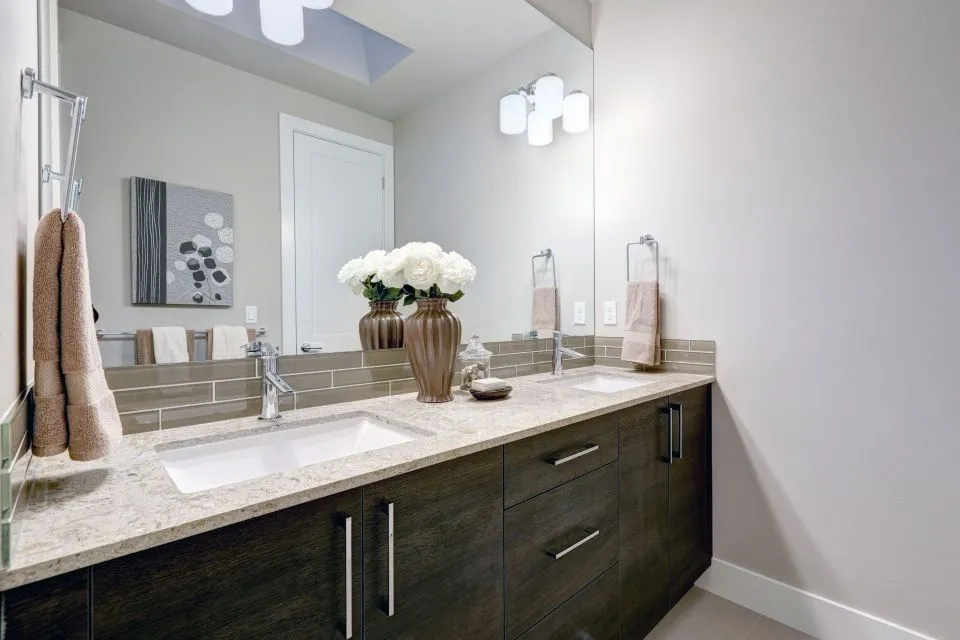
Marble and granite are the traditional choices in professional pâtisseries for a reason. Their high thermal mass keeps the dough cool even when the room is warm, which slows relaxation after a cut and gives the baker more control over oven spring. Quartz, which dominates new Australian kitchen renovations in cities like Sydney and Perth, offers a similar cool feel with a more consistent surface and almost no porosity, so flour and dough residue wipe away easily. Porcelain slabs and Dekton, increasingly used in Brisbane's newer apartment builds, are also non-porous and tolerate sharp blades without scoring or etching.
Butcher block sits at the other end of the spectrum. A sealed wooden surface is gentler on razor-sharp lames, which last noticeably longer when scoring on timber. The trade-off is that wood needs more diligent cleaning, particularly when working with oiled doughs or spelt ferments that leave a strong smell behind. For a baker who scores only one or two loaves a week and treats the bench as a working surface rather than a serving surface, a properly maintained timber top is often the most forgiving option of all.
Stainless steel, the workhorse of commercial bakeries, is rarely a primary kitchen bench in Australian homes but turns up in serious hobby setups. It is hygienic, indifferent to acids, and cool to the touch, though it can feel slippery under a high-hydration dough and shows every fingerprint. For a baker investing in a custom prep station, working through a choosing a fabrication company checklist helps clarify which materials can be sourced locally, which edges will hold up to repeated blade contact, and what the realistic maintenance load is over five to ten years.
Temperature and dough hydration in Australian conditions
A countertop that feels neutral to the hand can still be ten degrees warmer than ideal by the time the dough lands on it, and that gap changes everything. Warm surfaces relax gluten faster, so the cut closes on itself before the oven can prise it open. In Australian summers, particularly across the Top End and the Queensland coast, this is a daily problem rather than an occasional one.
Most experienced home bakers in Brisbane, Darwin, and Cairns keep their dough in the fridge until the very last minute and work quickly once it comes out. A stone or quartz benchtop helps because it absorbs heat from the dough slowly, buying an extra minute or two of firm behaviour. Marble is the gold standard here, which is why old-school bakers in Adelaide's central market still slab their marble benches overnight to keep them deep-cold for morning production runs.
In cooler southern states, the same trick works in reverse. A bench that has been sitting in a sunlit kitchen in Hobart or Ballarat during a winter morning can be too cold, causing the dough to seize under the blade and crack rather than open. Bringing the slab to a neutral 18 to 20 degrees before scoring solves this. A simple infrared thermometer pointed at the surface takes the guesswork out, and once a baker knows their kitchen's rhythm, the surface can be adjusted by leaving a window open, switching on the air conditioner, or moving the dough a few centimetres along the bench to a warmer patch.
Hydration matters just as much. A 75 percent hydration loaf on a 30-degree bench will slump flat the moment it is tipped out of the banneton, while the same dough on a cool marble slab will hold a clean shape. Beginners often blame their shaping when the real culprit is the surface temperature under the dough. Adjusting the slab is usually a quicker fix than reworking the recipe.
Cleaning and food-safe preparation under Australian rules
Food Standards Australia New Zealand sets the rules for what a food-contact surface can and cannot be, and while home kitchens are not audited the way commercial bakeries are, the same logic applies. A countertop used for dough scoring should be cleaned with food-safe products, rinsed thoroughly, and allowed to dry before the dough is tipped out.
In practice, this means avoiding the strong all-purpose sprays sold for general bathroom and kitchen cleaning. Their fragrances and surfactants can leave a residue that affects how the dough behaves and can transfer to bread that will be eaten. A simple spray of isopropyl alcohol, wiped away with a clean cloth, leaves a sterile surface that flashes off quickly. A second pass with a damp microfibre, then a dry one, gives a neutral, slightly tacky finish that holds a light dusting of flour evenly.
For butcher block, the cleaning routine is more involved. Soap and water can raise the grain and dry the timber, so most experienced bakers scrape the surface with a bench knife, wipe it with a cloth dampened in diluted white vinegar, and follow with a light rub of food-grade mineral oil. This seals the pores and stops raw flour or wet dough from soaking in. Doing this the night before a bake, rather than the morning of, gives the oil time to settle and prevents it from contaminating the dough.
In households with allergies, particularly gluten or nut cross-contamination, the cleaning stage becomes even more important. A crumb from last week's walnut levain lodged in a grain seam can transfer to a plain white loaf, with real consequences for someone with coeliac disease in the family. A disciplined end-of-bake routine, with a separate cloth kept just for the prep bench, keeps that risk low and the kitchen pleasant to cook in afterwards.
Building a slip layer: flour, oil, or water
A bare countertop, however clean, will drag on a hydrated dough. The blade needs a thin slip layer between the dough and the surface so the cut opens cleanly and the loaf slides onto the peel or tray without tearing. The choice of slip layer is partly tradition, partly climate, and partly a question of what the dough wants.
A light dusting of plain flour is the default. It absorbs a small amount of surface moisture, reduces stickiness, and leaves the bench easy to clean. Strong bakers' flour, such as the Manildra and Laucke brands stocked in Australian supermarkets, works well. Rice flour, blended in a one-to-four ratio with bread flour, is a popular upgrade because it absorbs less water and leaves a whiter, more professional finish on the crust. The risk with any flour layer is overdoing it, which can dry out the dough's surface and cause the blade to skip rather than cut.
A water spray is the slip layer of choice for high-hydration sourdough. A fine mist from a plant sprayer gives the bench a thin film that lets the dough glide while keeping the surface tacky enough to score cleanly. Many bakers in humid coastal suburbs prefer water over flour because it does not add a dry crust to the loaf and works well with a wetter dough that has been built for open crumb.
Oil, usually a light rice bran or grapeseed, suits wood and is also a useful fallback when flour supply runs short. A wiped-on film is enough. Too much oil makes the dough slide around during scoring, which sounds like a benefit until the loaf moves mid-cut and the ear goes crooked.
| Slip layer | Best for | Climate fit | Main drawback |
|---|---|---|---|
| Plain baker's flour | Standard loaves, lower hydration | Cool, dry southern kitchens | Can dry out high-hydration dough |
| Rice flour blend | High-hydration sourdough, darker contrast | All Australian climates | More expensive, dusty |
| Water spray | Very wet doughs, humid fermentations | Humid coastal suburbs | Needs a sprayer, can pool |
| Rice bran or grapeseed oil | Wood surfaces, dry inland heat | Hot, dry inland areas | Slippery if over-applied |
The right slip layer is a small decision that gets easier with experience. A baker who keeps notes on room temperature, dough hydration, and which layer they used will find their preferred method within a handful of bakes.
Tools and their interaction with the countertop
The blade is only as good as the surface it cuts on. A razor-sharp lame will drag on a rough or uneven bench, dull quickly on a hard stone, and chip if the bench has micro-fractures. Choosing tools with the surface in mind saves money and frustration.
A curved lame, the classic French style, is the most forgiving on uneven benches because the arc keeps contact with the dough even if the bench flexes slightly. Straight blades, sometimes called Japanese-style scoring knives, are unforgiving on anything but a perfectly flat surface. They reward a baker with a precision stone or glass bench but punish one with a slightly bowed timber top.
Bench scrapers deserve a mention because they interact with the bench more than the lame does. A steel bench scraper used to lift a scored loaf can leave hairline scratches on a soft stone or laminate. Plastic scrapers, common in many Australian kitchenware ranges, are gentler but less precise. For anyone building out a serious home bakery, a dedicated prep table made from solid timber or a thick stone slab, alongside the custom furniture pieces made for craft workshops, gives both a stable cutting surface and a piece of furniture that anchors the room. Pairing the right bench height with the right scraper turns scoring from a hunched-over chore into a controlled, repeatable motion.
Height, lighting, and baker position
Scoring is a precise, two-second action that the rest of the bake builds on, and it is surprisingly sensitive to how the baker is standing. A bench that is too low forces the baker to lean in, which changes the angle of the wrist and makes a clean cut harder. A bench that is too high encourages shrugging, which tightens the shoulder and pulls the cut short.
For most Australian adults, a work height between 90 and 95 centimetres suits scoring and shaping. This is roughly 10 to 12 centimetres below the elbow when standing relaxed, a guideline that comes straight from occupational health and safety practice and applies just as well to baking as to woodworking. Open-plan kitchens in newer Melbourne and Sydney apartments often come with benches closer to 105 centimetres, which is fine for chopping but a touch tall for dough work. A heavy cutting board laid over the bench, or a dedicated lower prep table, solves the problem without changing the rest of the kitchen.
Lighting matters as much as height. Side lighting, which throws a small shadow along the scored line, helps a baker see exactly where the blade is going. Overhead downlights, common in modern Australian renovations, flatten the dough and hide surface details. A small adjustable lamp clipped to a shelf above the prep area brings the cuts back into clear view and pays for itself the first time a baker scores a complicated pattern on a dark rye.
Caring for the surface after scoring
The work does not end when the loaf goes into the oven. Flour dust, oil smears, and the occasional seed or nut fragment need to come off the bench promptly, and the cleaning routine that worked at the start of a bake should be repeated at the end.
For stone, quartz, and porcelain benches, a wipe-down with a damp cloth and a small amount of pH-neutral cleaner is usually enough. Harsh acids and abrasives damage sealants and etch polished surfaces, so they belong in the cupboard, not on the bench. For wood, an end-of-bake oil rub keeps the timber conditioned and prevents the grain from opening up. A monthly deep clean with a diluted vinegar wipe, followed by a food-grade oil treatment, keeps a butcher block in good shape for a decade or more of regular bakes.
Storing tools properly also extends the life of the bench. A magnetic strip or wall-mounted rack keeps lames and scrapers off the surface and stops the blades from dulling on contact with the stone. A small dish for used cloths and a separate one for fresh cloths keeps cross-contamination low, which matters most in households with vulnerable eaters. Prepared this way, a countertop becomes a quiet partner in the bake. The blade moves where the baker intends, the dough holds its shape, and the cleaning at the end of the day is a five-minute job rather than a thirty-minute one, leaving the kitchen ready for whatever the next bake brings.