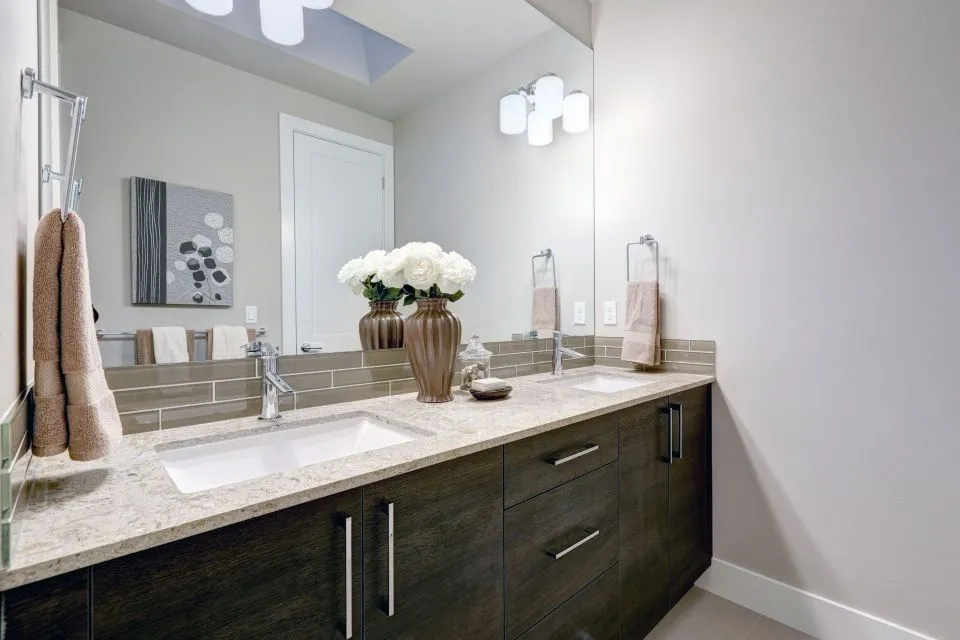
How Veining Shapes Distinctive Natural Stone Countertops
Natural stone countertops carry patterns no machine can replicate, and among these patterns, veining stands as the most visually expressive feature. Each slab tells a geological story shaped over millions of years, with mineral deposits, fractures, and crystallisation creating ribbons of colour, contrast, and texture that run through marble, granite, quartzite, and dolomite. When homeowners begin selecting a surface for a kitchen island, bathroom vanity, or outdoor entertaining area, veining often becomes the deciding factor long before considerations of price or durability enter the conversation.
The Australian appetite for materials with character has grown steadily, driven by renovation shows, social media inspiration, and a broader cultural shift toward crafted, natural interiors. Designers in Sydney and Melbourne increasingly specify stones with bold movement for open-plan kitchens, while renovators in Brisbane and Perth often lean toward softer, more restrained patterns that suit light-filled coastal homes. This regional variation shows that veining is not merely decorative; it functions as a design language that responds to architecture, light, and lifestyle.
Understanding how veining forms, how it varies between stone types, and how it interacts with surrounding cabinetry and lighting can transform a purely aesthetic choice into an informed decision. The right vein pattern can anchor a room, complement benchtops and splashbacks, and create cohesion between indoor and outdoor entertaining zones, particularly in homes designed for Australia's year-round alfresco living. Choosing poorly, however, can mean clashing patterns, overwhelming small spaces, or surfaces that show wear and staining in ways that interrupt their beauty.
Before committing to a particular slab, homeowners should view the actual stone reserved for their project rather than relying solely on showroom samples or online photographs. Lighting conditions in a showroom in Adelaide or a warehouse in Parramatta rarely match the natural light of a coastal Queenslander or a sun-drenched Perth kitchen. Viewing the slab under the home's actual conditions ensures the veining delivers the desired effect once installed.
The geological story written into stone
Veining begins deep within the earth, where heat, pressure, and mineral-rich fluids interact over geological timescales. In marble, the veins are typically composed of calcite or other carbonate minerals deposited as fractures filled with crystallising solutions. Granite veins often contain quartz, feldspar, or mica intrusions that cool at different rates, producing the speckled, directional patterns many homeowners associate with classic kitchen benchtops. Quartzite and dolomite carry their own distinctive vein structures, formed through metamorphic processes that compress and recrystallise the original sedimentary layers.
The colour palette of veining depends largely on the minerals present during formation. Iron oxides produce warm rust and gold tones, serpentine minerals create the greens seen in some exotic marbles, and graphite or manganese can introduce dark grey to near-black streaks. These mineral compositions influence not only appearance but also performance; for example, some heavily veined marbles are softer and more porous than their more uniform cousins, affecting how they age in busy family homes from the suburbs of Canberra to beachside apartments on the Gold Coast.
The direction of veins also reflects the geological forces at play. Linear, parallel veins suggest compression along a particular axis, while swirling, dramatic movement indicates folding, faulting, or fluid intrusion under varying pressures. This is why two slabs quarried from the same block can look dramatically different once cut and polished, and why experienced stonemasons often lay out a slab to maximise the visual impact of its strongest patterns before any cutting begins.
Reading movement and flow patterns in a slab
Movement describes the visual energy of veining: how the eye travels across the surface, where the pattern gathers, and where it dissipates. Stones with bold movement, such as Calacatta or Statuario marble, command attention and tend to suit large islands, splashbacks, or feature walls where the pattern can be appreciated in full. More restrained stones, like Carrara or many dolomites, offer a quieter rhythm that complements cabinetry and other materials without competing for attention.
In Australian kitchens, where open-plan layouts often connect cooking, dining, and living spaces, the choice between bold and restrained movement carries significant weight. A heavily veined island in a renovated Victorian in Fitzroy or a contemporary build in Mosman can serve as the visual anchor of the entire ground floor. Conversely, in compact apartments in Surry Hills or Fortitude Valley, a more subtle pattern may prevent the kitchen from feeling visually crowded and allow adjacent living zones to remain the focal point.
Bookmatching, where consecutive slabs are mirrored to create a symmetrical pattern across a surface, amplifies the dramatic effect of veining. This technique is popular for splashbacks behind cooktops, shower walls, and fireplace surrounds, particularly in luxury homes where the stone itself becomes art. The technique requires slabs with strong, directional veining, and careful templating ensures the pattern aligns precisely across corners, a job best left to experienced fabricators such as those profiled in guides on what to look for in a countertop fabrication company.
Veining density and its impact on a room
Density refers to how closely veins are spaced and how much contrast exists between the veins and the base colour. High-density veining creates a busy, high-contrast surface that can feel energetic and modern, particularly when paired with earthy cabinetry in walnut or charcoal tones. Low-density veining produces a calm, almost monochromatic look that suits minimalist interiors, Scandinavian-inspired kitchens, and contemporary Australian homes that lean toward soft whites, pale timbers, and natural linens.
The size of the room and the amount of natural light it receives should guide the density choice. North-facing kitchens in Hobart or Adelaide receive strong winter sun and softer summer light, often flattering cooler, denser patterns. South-facing or shaded spaces may benefit from lighter, less dense veining that reflects available light rather than absorbing it. Designers working on heritage homes in places like Paddington or Fremantle often select veining that echoes the existing architectural detailing, such as ceiling roses or fretwork, creating a cohesive dialogue between old and new.
Another consideration is how veining interacts with edges, joins, and cutouts. A sink cutout, cooktop recess, or waterfall end will interrupt the natural flow of a vein, and skilled fabricators plan cuts to preserve the most attractive sections of the slab for visible areas. In integrated sinks and drainer grooves, the veining can be aligned to run continuously across the bench and into the sink, creating a seamless transition that highlights the stone's natural artistry while remaining practical for everyday use.
Matching veining to Australian homes and lifestyles
Australia's diverse architecture and climate offer unique contexts for veining choices. In Queensland's humid coastal regions, homeowners frequently select quartzite or dense granites with subtle veining that withstands salt air, frequent entertaining, and the demands of indoor-outdoor living. Many Brisbane and Cairns renovations now feature veined stone on outdoor kitchen benchtops, bar areas, and BBQ surrounds, where the material must handle sun, rain, and the inevitable spills of a long summer afternoon.
In Melbourne and Sydney, where heritage terraces and modern apartments share streets, designers often pair bold veining with detailed cabinetry for a tailored, custom look. Veined splashbacks behind freestanding ovens, dramatic shower walls in main ensuites, and fireplaces flanked by bookmatched stone are increasingly common features in renovations from Newtown to Camberwell. These applications show how veining can elevate a renovation from functional to bespoke without requiring structural changes.
Perth's contemporary coastal homes, with their emphasis on indoor-outdoor flow and bright, beach-inspired palettes, often feature white or pale grey marbles with soft, sweeping veins that mirror the movement of nearby ocean swells. Adelaide's blend of Victorian villas and contemporary builds supports a wider range, from heavily patterned stones for period restorations to restrained veining for clean, modern extensions. Hobart's cooler climate and growing food culture have also encouraged experimentation with veined alternatives and mixed-material bathrooms featuring veined stone alongside timber vanities.
Practical considerations when choosing veined surfaces
Beyond aesthetics, veining influences maintenance, durability, and long-term satisfaction. Highly veined marbles with contrasting mineral deposits can be more porous and prone to etching from acidic substances like lemon juice, wine, or vinegar, common ingredients in Australian households that love fresh cooking and entertaining. Sealing the surface upon installation and maintaining it regularly helps protect the stone, but homeowners should be aware that patina and subtle wear are part of living with natural materials.
Quartzite, granite, porcelain, and engineered quartz offer alternatives that mimic the look of veining while providing different performance characteristics. Porcelain slabs, in particular, can replicate the appearance of rare stones with remarkable fidelity while resisting stains, scratches, and heat, an appealing option for busy family kitchens. When considering any of these alternatives, homeowners should still evaluate how the veining is printed or veined, how it looks under different lighting, and how edges and joins will appear in the finished installation.
Working with a knowledgeable fabricator and installer ensures that the chosen slab is handled, cut, and finished to maximise its veining potential. A reputable company will template accurately, plan cuts to showcase the strongest patterns, polish edges consistently, and address any concerns about sealing, joins, or transitions. Taking time to research credentials, read customer feedback, and visit completed projects helps ensure the investment delivers the visual impact and durability expected from a premium natural stone countertop.